
There is a particular kind of disappointment that comes from opening a bondage starter set and finding eleven mismatched pieces, most of which you will never touch. The best beginner bondage kit essentials are not the most extreme items available, and they are not the most numerous. They are the small handful of pieces that make control feel safe, communication feel easy, and the whole experience feel intentional rather than improvised.
For a first kit, that matters more than intensity. A good starting point should build anticipation, not confusion. It should invite trust, support comfort, and leave room to explore restraint and sensation without moving faster than either partner wants to go. If you are building a first collection, think less about quantity and more about function, feel, and finish — and it also depends on your own comfort level, which is worth saying plainly before any of this becomes a shopping list.
What a beginner kit should actually do
A first kit is not about checking off every category in kink. It is a clean, confidence-building entry point into restraint and sensory play. The right essentials help you explore a few core experiences well: light restraint, reduced sight, teasing sensation, and — underneath all of it — clear communication.
That usually means avoiding the cheap, overstuffed sets that promise cuffs, a gag, rope, and a paddle for one low price. Beginners are almost always better served by fewer pieces made with better materials: soft linings, secure closures, adjustable sizing, and hardware that actually holds. A kit built this way tends to get used again. A kit built to look impressive in a box tends to get used once.
The core pieces worth buying first
Wrist restraints
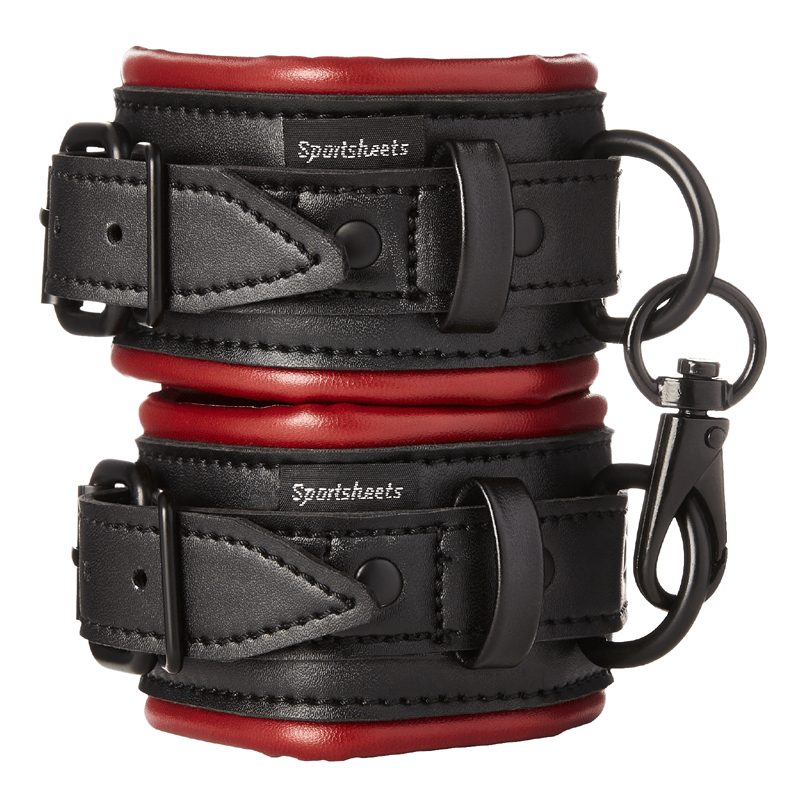
If one category belongs in nearly every beginner setup, it is a well-made pair of cuffs. The Saffron Cuffs ($64.99) are vegan leather with a soft interior lining, built to fasten securely without digging in — the psychological weight of restraint without the guesswork of rope. They link to each other like a standard set of handcuffs, or separate to pair with a spreader bar later on.
Cuffs are also the one piece in this kit where material genuinely changes the experience — leather feels different from nylon, which feels different from silicone. That comparison is its own subject, and it is covered properly in Best Bondage Cuffs for Beginners rather than repeated here.
A blindfold
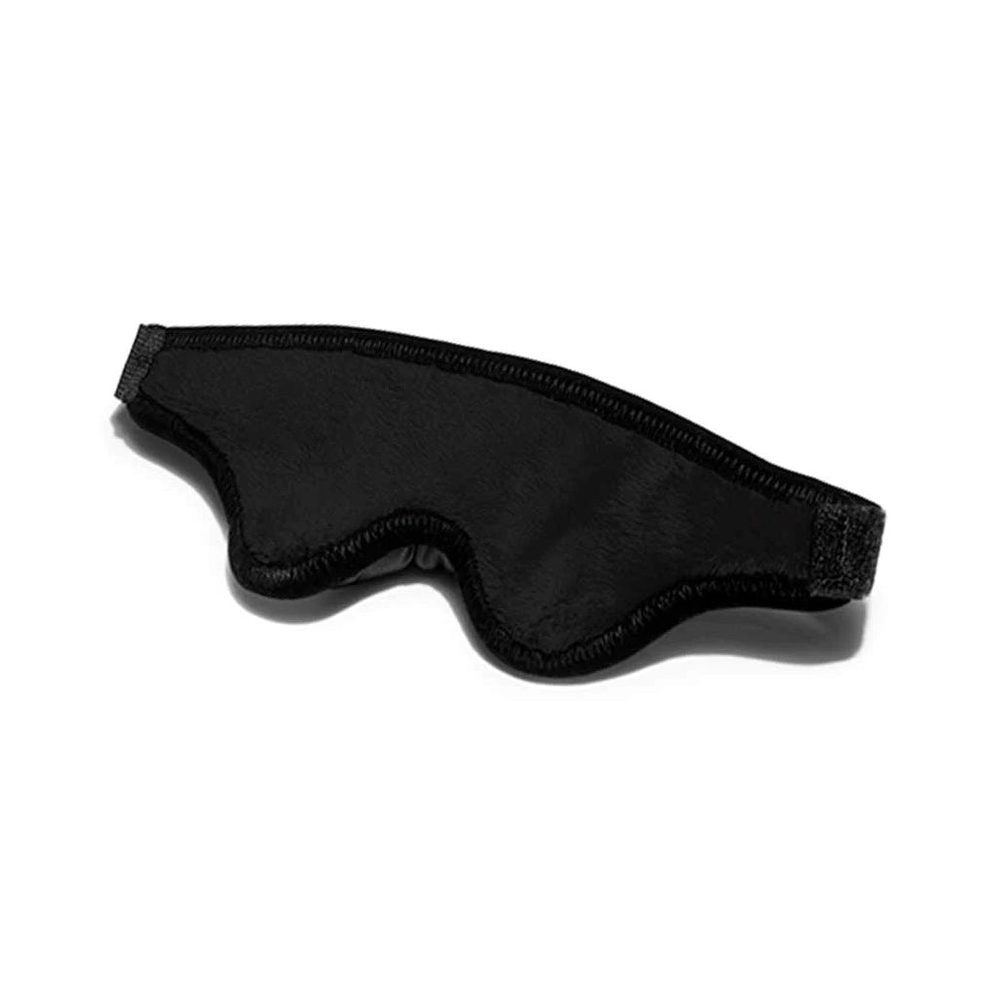
A blindfold is one of the most underrated essentials in a first kit. Removing sight heightens anticipation almost immediately — a touch on the shoulder or a breath near the neck reads very differently when it cannot be predicted. The Black Label LoveBlind Plush Blindfold ($79.99 in black microfiber, or $69.99 in a fluffy red finish) uses an adjustable velcro strap and a contoured nose bridge for genuine total-seclusion, not just dim light leaking around the edges.
If you are deciding between a blindfold and a gag for a first kit, choose the blindfold. It is more approachable, easier to fold into a range of moods, and a better way to learn what kind of control dynamic actually appeals to you before committing to something that limits speech entirely.
A teasing impact tool
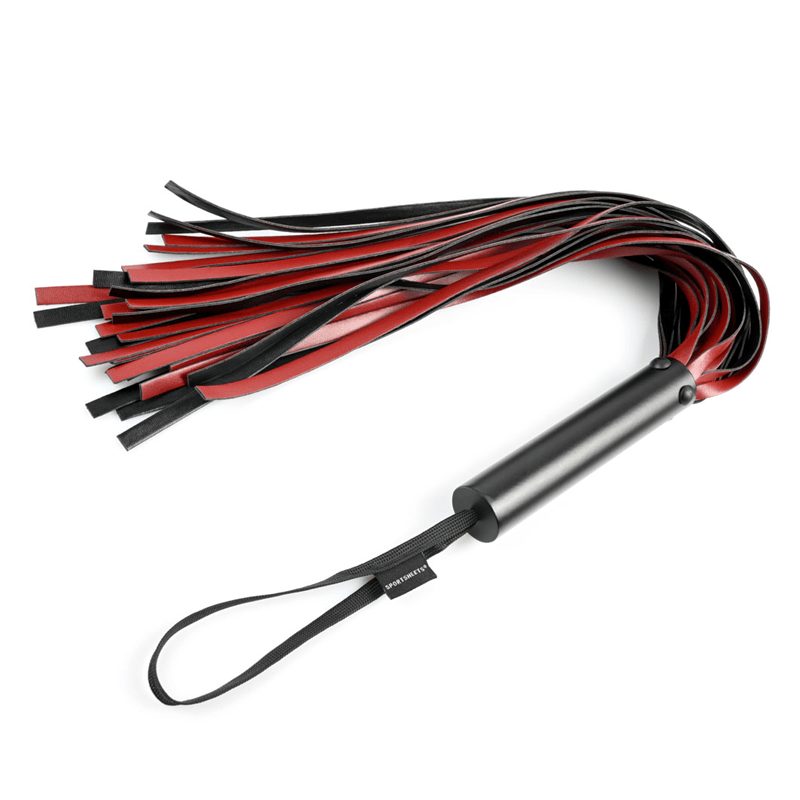
The Saffron Flogger ($64.99) brings contrast into a scene without asking anyone to jump straight to something severe. The word here is teasing, not intensity — a flogger with softer falls lets you experiment with rhythm and anticipation, and how a body responds to a slow build, long before either of you knows whether harder sensation is actually something you want.
A sensory contrast tool
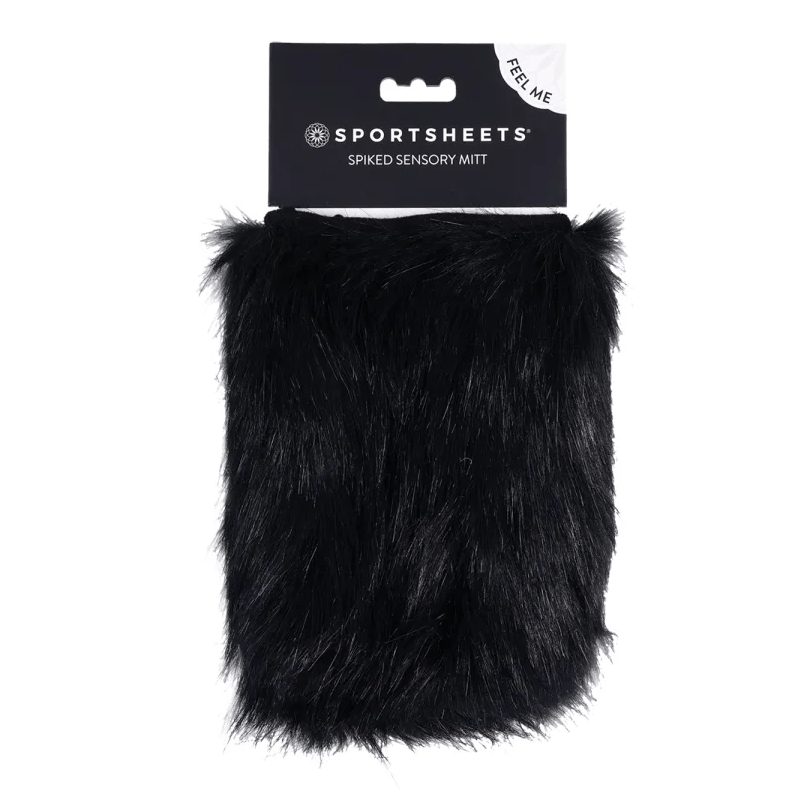
Bondage is not only about restraint. Some of the most memorable moments come from contrast — soft against firm, expected against unknown. The Spiked Sensory Mitt ($64.99) does this literally: faux fur on one side, blunt spikes tucked into the same glove on the other, so a single tool covers both ends of a sensation scale. Paired with a blindfold, the effect is more immersive than either piece alone.
A collar, if the dynamic calls for one
This one depends entirely on the dynamic, which is why it isn’t pictured with the four pieces above as a default recommendation. A collar is not a requirement for a first kit, and for some people it carries emotional weight they are not interested in yet. For others exploring authority and surrender specifically, it becomes the piece that shifts the experience from experimental to genuinely charged. The Edge Collar & Leash is a plain, adjustable option with no attached hardware beyond the leash clip — worth a look if a collar is part of the conversation, without also introducing nipple play or anything else at the same time.
What to skip in your first kit
Not everything marketed to beginners actually belongs in a first purchase. Rope can be beautiful and genuinely rewarding, but it comes with a real learning curve around tension and circulation — worth approaching later, with actual instruction, rather than as a casual add-on to a starter order. Ball gags fall in a similar category: exciting for some, but they demand more attention to breathing, comfort, and the loss of a verbal safe word than a first kit needs to take on. Bondage Gag Types and Safety Basics covers what that attention actually looks like, for whenever you get there.
Rigid metal restraints and anything marketed as “extreme” belong in the same later category. None of it is wrong to want eventually — it is just rarely the most useful answer to what a first kit actually needs, which is a small, well-made set of pieces that teach you what you respond to.
Communication is the real essential
No first kit is complete without a plan for talking about it. This does not need to feel clinical, but it does need to be specific: what you are trying tonight, what is off the table, and how either of you signals wanting to slow down or stop. If a blindfold is involved, check in more than you think you need to. If cuffs are involved, circulation and an easy, fast exit matter more than how the scene looks.
A safe word helps, but plain language works too — the point is clarity, not vocabulary. This is worth taking seriously rather than treating as a formality, and it is easy to get wrong in ways that are not obvious until they happen; that is the whole subject of Consent & Safewords Done Right.
The trade-off: when a starter kit is right, and when it isn’t
A small, curated first kit is the right call when you genuinely do not yet know what you respond to — restraint, sensation, sight deprivation, the psychological weight of a collar. It gives you enough range to find out without a drawer of unused hardware. It is the wrong call if you and a partner already know exactly what you want to explore and it is narrower than a kit’s spread; in that case, buying the one piece you actually need, well-made, beats buying five pieces to get one you’ll use.
It is also worth being honest that a kit assembled piece by piece, like this one, is a different thing from a coordinated bondage kit sold as a single set with matching hardware and a shared aesthetic — a genuinely different, higher-commitment purchase, worth its own comparison once you know this is a lane you want to stay in.
Care and longevity
Vegan leather and microfiber pieces like these hold up well with a wipe-down after use and a dry, out-of-direct-sunlight storage spot — a drawer is fine, a damp bathroom cabinet is not. Velcro closures lose grip faster if they are left stuck to fabric between uses; separate them before putting a piece away. None of this is complicated, but it is the difference between a kit that lasts years and one that looks worn out after a season.
Building your first kit with intention
If you are starting from zero, the strongest first collection is usually: soft wrist restraints, a well-made blindfold, one teasing impact tool, and one sensory-contrast piece. That combination gives enough range to create anticipation, establish a dynamic, and find out what actually lands — without asking either partner to commit to more than that in one order.
- Saffron Cuffs ($64.99) — the wrist restraint most beginner kits should start with.
- Black Label LoveBlind Plush Blindfold ($79.99 black microfiber / $69.99 fluffy red) — sight deprivation without pressure points.
- Saffron Flogger ($64.99) — contrast and rhythm, kept deliberately light.
- Spiked Sensory Mitt ($64.99) — soft and sharp in the same glove.
- Edge Collar & Leash — only if the dynamic already calls for it.
From there, let actual experience decide the next purchase rather than a marketing bundle. If sensory deprivation is what you keep coming back to, that is its own lane worth expanding. If restraint is the highlight, the full Restraints collection has more to offer once you know what you’re looking for.
A first kit is not a test you can fail — it is a small, well-made way of finding out what you actually enjoy. Start with pieces that feel polished and easy to trust, and let curiosity decide what comes next.
The Wednesday letter
The 7-Day Spark, free, then one letter every Wednesday
Seven small evenings to start, plus a short guide to your first piece. After that, one considered letter each Wednesday, never more than one a week.
By subscribing you agree to receive emails from XtasyXperience. Unsubscribe any time. See our Privacy Policy.
