
The material a restraint is made from decides how it feels, how fast it comes off, and how much trust it asks for. Here is what this catalogue actually carries, and how to choose between the real options.
Walk through any restraints collection and the variety looks bigger than it is. Satin ties. Faux-leather cuffs. Nylon tether kits. Each promises something different, and the honest way to choose between them is to understand what each one asks of the two people using it – not to chase a category that sounds more serious than it is.
One thing worth saying plainly before we go further: this catalogue does not carry rope, and it does not carry keyed or locking handcuffs. If you came here comparing shibari rope or police-style cuffs that need a key, neither exists in this store. What it does carry is a genuine spread from soft fabric through structured faux leather and nylon webbing to one stainless steel bar with welded rings – so the soft-to-rigid range in the title is real, and the rigid end is a single product worth knowing by name before you meet it.
What to look for in a first restraint
Every restraint on this spectrum answers the same underlying question differently: how quickly can this come off if either person wants to stop? That single factor matters more than colour, texture, or how serious a piece looks in a photo, and it is the axis this whole comparison is built on.
Soft and unstructured: no hardware, no learning curve
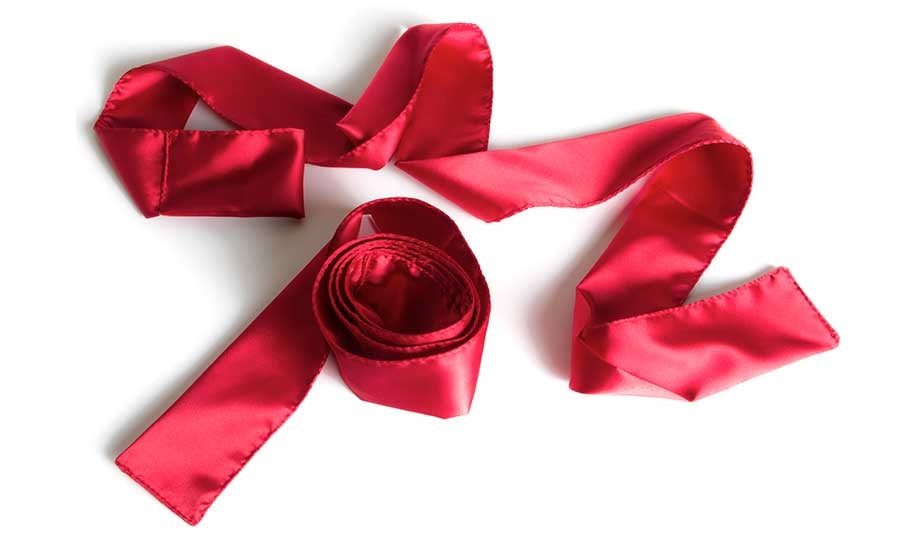
The Silky Tie-Ups ($89.99) are the clearest example of this category: two 48-inch synthetic-silk sashes with a simple loop on one end, no buckle, no clip, nothing that requires a free hand or a working knowledge of knots. They can be looped around a wrist or ankle in seconds, and released just as fast, which is exactly the point – the product’s own listing pitches them as multifunctional enough to double as a blindfold, so one purchase covers two kinds of play. This is the honest starting point for a first restraint purchase: it holds the idea of restraint without any of the commitment.
Structured faux leather: a step up in hold, still fast to release
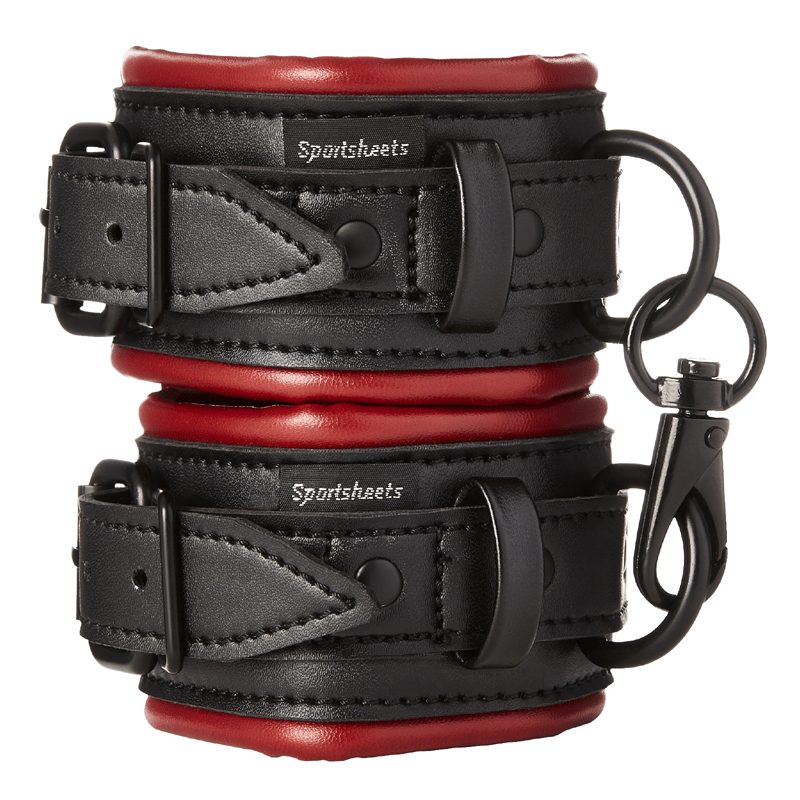
The Saffron Cuffs ($64.99) move up from fabric to vegan leather – a padded, adjustable wrist cuff with a soft inner lining that can be linked together like a standard pair of handcuffs, or separated and paired with a spreader bar. It looks and feels more deliberate than a satin tie, but the closures are still fast, and nothing about it requires a key.
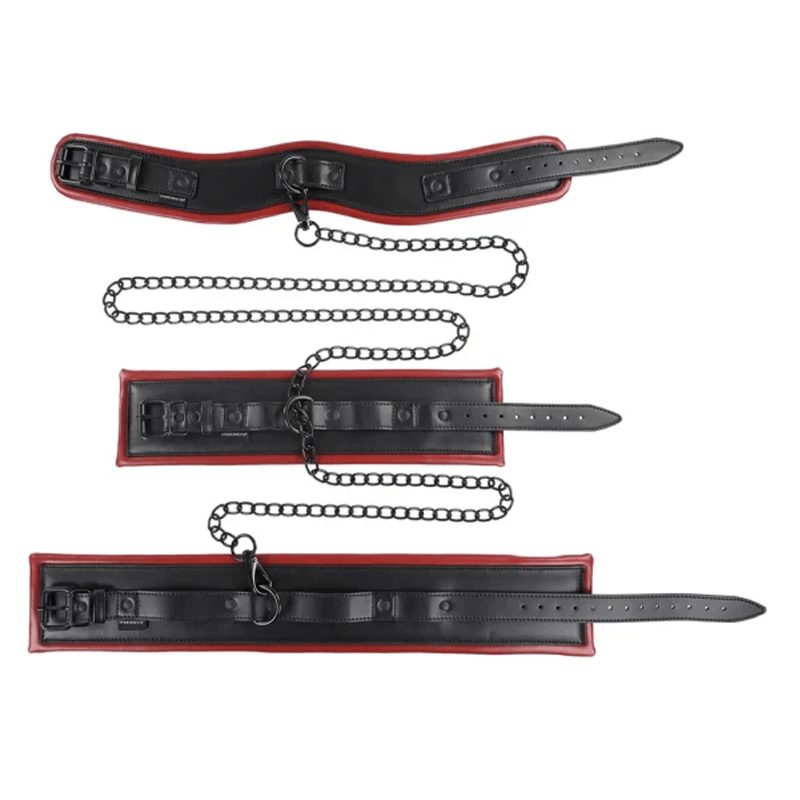
The Saffron Chained & Tamed ($94.99) is the closest thing in this catalogue to what most people picture when they hear “rigid”: a posture collar, double wrist cuff and double ankle cuff, all faux leather, connected by an actual metal chain rather than a buckle or clip. It is built for full-body positioning – hog-tie-style setups, or the pieces used separately – and it asks for more communication and more trust than either of the products above. It is a reasonable second purchase once a couple already has a shared vocabulary for stopping, not a first one.
Nylon tether systems: adjustable, and honest about their numbers
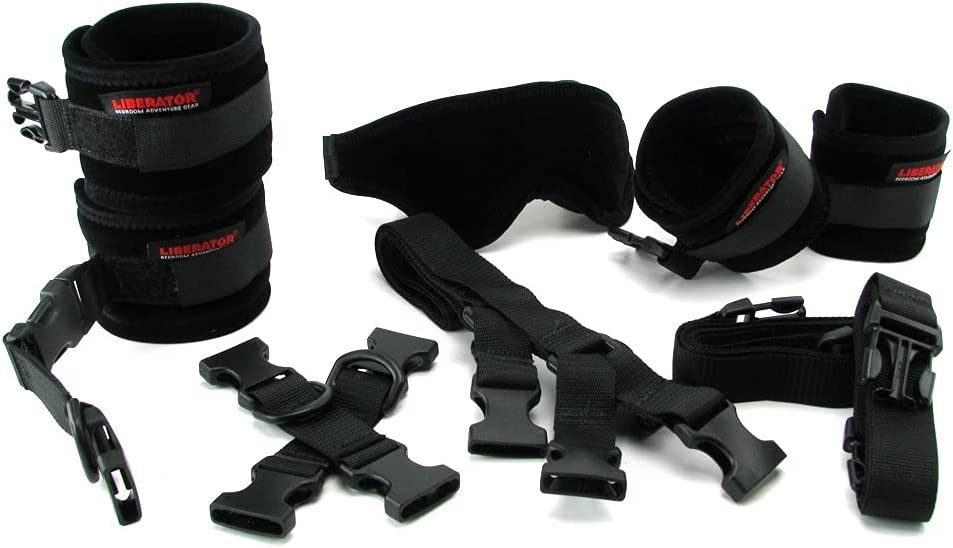
The Bed Buckler Tether and Cuff Restraint Kit ($124.99) works differently from either category above: four 20-inch nylon tethers slide under a mattress, box spring or futon, and Velcro cuffs attach at the corners – no bed frame or headboard required. Bonus D-rings mean it also accepts a scarf, a rope, or another brand’s cuffs if you already own a favorite.
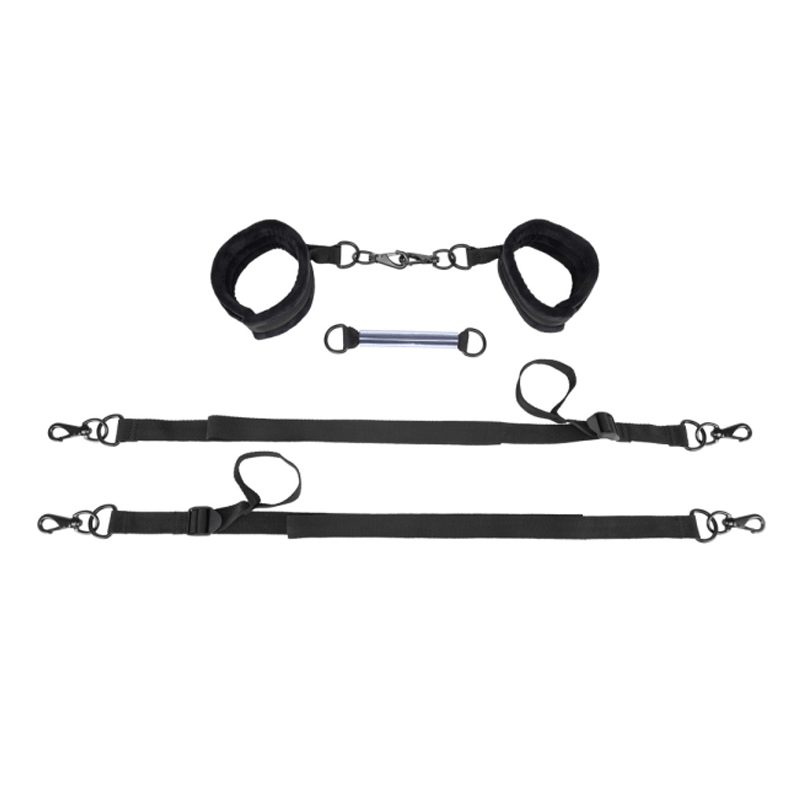
The Pivot Connection Kit ($84.99) publishes the most specific number in this entire list: its two tethers adjust from 10 to 47 inches (26 to 119 cm), with push-button clips on both the cuffs and the tethers for what the manufacturer describes as quick, tool-free connection and release. That published range is worth taking seriously – it means the same kit works for a wrist-to-headboard setup and a much shorter ankle-to-thigh one without buying a second product.
Rigid steel: the one genuinely inflexible option
The Saffron Spreader Bar & Cuff Set ($114.99) is the only stainless steel piece in the collection, and the only one that belongs at the rigid end of this comparison. Four lightly padded faux-leather cuffs buckle on and clip to a solid bar whose rings, in the maker’s own words, are firmly welded in place, so there is no escape – only release.
That sentence is the whole reason to name it separately. Every other product on this page can be got out of by either person in a second or two. This one cannot: it comes off when the person holding it decides, and not before. That is not a flaw, and for some couples it is precisely the appeal – but it moves the conversation from equipment to trust, and it is the wrong thing to meet for the first time without having already agreed how stopping works. It is a later purchase, not a first one.
One to name as not-for-beginners, on the maker’s own word
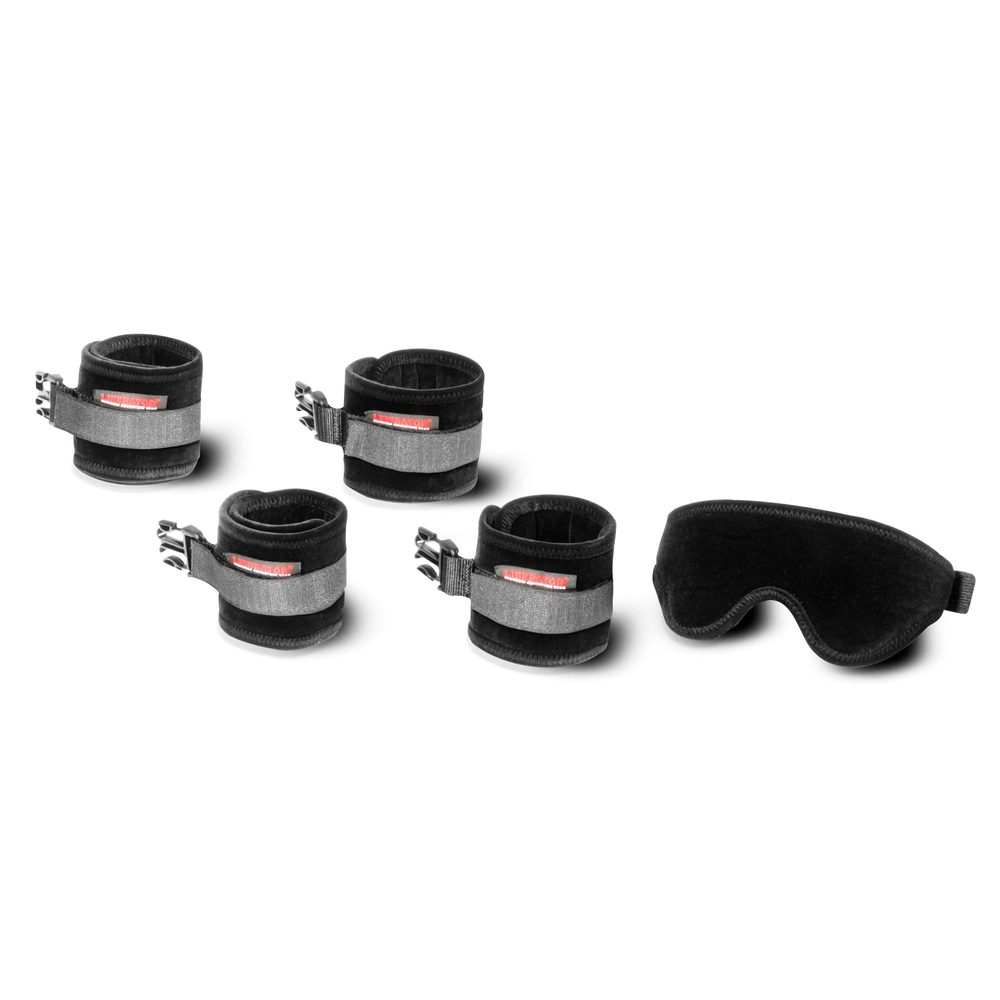
The Black Label Seduction Cuff Kit ($144.99) is a genuinely well-made four-point set – six connectors, six 20-inch tie-downs, faux-fur-lined cuffs – and it would be an easy, defensible pick in a roundup like this one by price and category alone. Its own product description calls it “great for advanced restraint bondage play.” We are naming that here rather than around it: this is a strong second or third purchase, not a starting point, on the maker’s own description of what it is for.
The one factor that should decide your first purchase
Set aside colour and price for a moment and ask one question: how quickly can this be removed, by either person, without a key, a knot, or a specific technique? A satin tie or a Velcro-and-clip cuff answers instantly. The welded steel bar above answers only when the other person decides. Everything else here sits at the fast end of that spectrum, which makes this a reasonable collection to start from – provided you start at the fast end deliberately rather than by accident.
Start with fast release. Build a shared vocabulary for stopping. Let the equipment get more structured only once that vocabulary is solid – not the other way around.
What to buy first
- Silky Tie-Ups ($89.99) – satin, no hardware, doubles as a blindfold; the honest first purchase.
- Saffron Cuffs ($64.99) – padded vegan leather, linkable, still fast to release.
- Bed Buckler Tether and Cuff Kit ($124.99) – under-mattress nylon tethers, no frame or headboard needed.
- Pivot Connection Kit ($84.99) – 10”–47” adjustable tethers with push-clip release, the most specific published spec here.
- Saffron Chained & Tamed ($94.99) – the closest thing here to “rigid”: faux leather joined by a real chain, a second purchase rather than a first.
- Saffron Spreader Bar & Cuff Set ($114.99) – stainless steel with welded rings; the actual rigid end of the range, and a later purchase by design.
- Black Label Seduction Cuff Kit ($144.99) – well made, and by the maker’s own description built for advanced play, not a starting point.
Browse the full restraints collection, curated for real materials and honestly described hold.
The Wednesday letter
The 7-Day Spark, free, then one letter every Wednesday
Seven small evenings to start, plus a short guide to your first piece. After that, one considered letter each Wednesday, never more than one a week.
By subscribing you agree to receive emails from XtasyXperience. Unsubscribe any time. See our Privacy Policy.
