
The first time someone hands over control, the surprise is never the restraint. It’s the relief — the moment the pressure to perform or decide anything simply stops, and the body settles into being led. That single shift, given and received on purpose, is what power exchange actually offers a couple, long before any specific tool enters the room.
This isn’t a guide to extreme bondage & kink play. It’s a guide to the slower, more common version most couples are actually curious about — the one that starts with a conversation, one tool, and a clear signal for when to stop.
What makes a power exchange dynamic different from “just trying bondage”
The mechanism isn’t the equipment. It’s the agreement underneath it — that one person leads and one follows, that both know it, and that both chose it out loud. A cuff or a blindfold gives that agreement a physical shape, but the shape isn’t the point. Couples who skip the agreement and go straight to the gear tend to describe the experience as flat; couples who have the conversation first describe it as some of the most connected sex they’ve had, restraint or no restraint.
The two roles feel almost opposite. The person surrendering control most often reports relief, not vulnerability — the pressure to initiate or decide disappears, and sensation gets sharper because there’s nothing left to manage. The person holding control reports something closer to total presence: reading a partner’s breathing, pacing, and stillness closely enough that drifting isn’t an option. Neither role is more advanced than the other. What makes it work is the contrast, held up by trust.
Why this is worth its own category, and who it’s genuinely not for
Power exchange sits in its own category because it asks for something most sex advice skips: a conversation before anything physical happens. That’s also the honest disqualifier. If either partner isn’t ready to say plainly what’s welcome, what’s off the table, and what stops the scene, this isn’t the place to start — not because the desire is wrong, but because the format depends on that conversation actually happening. It’s worth saying plainly: this is not for a couple hoping equipment will do the communicating for them.
What to look for in your first session
The instinct when this is new is to prepare everything at once — restraints, a blindfold, a whole scripted plan. That instinct usually works against you. Too many elements at once make it hard to tell what’s actually creating the experience and what’s just noise.
The conversation that makes everything else possible
The most important part of a first session happens before either of you touches anything, in ordinary light, with ordinary words. It can be as simple as “I’ve been thinking about taking the lead for a night, if you’re open to it” or “I’ve been curious what it would feel like to just let go for a while.” What you’re building in that conversation is a container: what kind of touch is welcome, what’s off the table entirely, and what either person can say or do to slow things down or stop. A spoken safe word is reliable; it’s worth also agreeing on a nonverbal signal — a hand squeeze, tapping twice, dropping something — for moments when speaking feels disruptive.
A quiet guide · free
Before you choose a first tool
Where to Start names the one piece we’d begin with, the three agreements that come before it, and how your order arrives: a plain box and a discreet statement. Free, by email.
You’ll also receive the Wednesday letter, one email a week. Unsubscribe any time. See our Privacy Policy.
Choosing one tool, not five
Pick one thing for the first session. Restraint is usually the most revealing starting point, because it creates the dynamic cleanly: one person's movement narrows, the other person's responsibility for pacing expands.
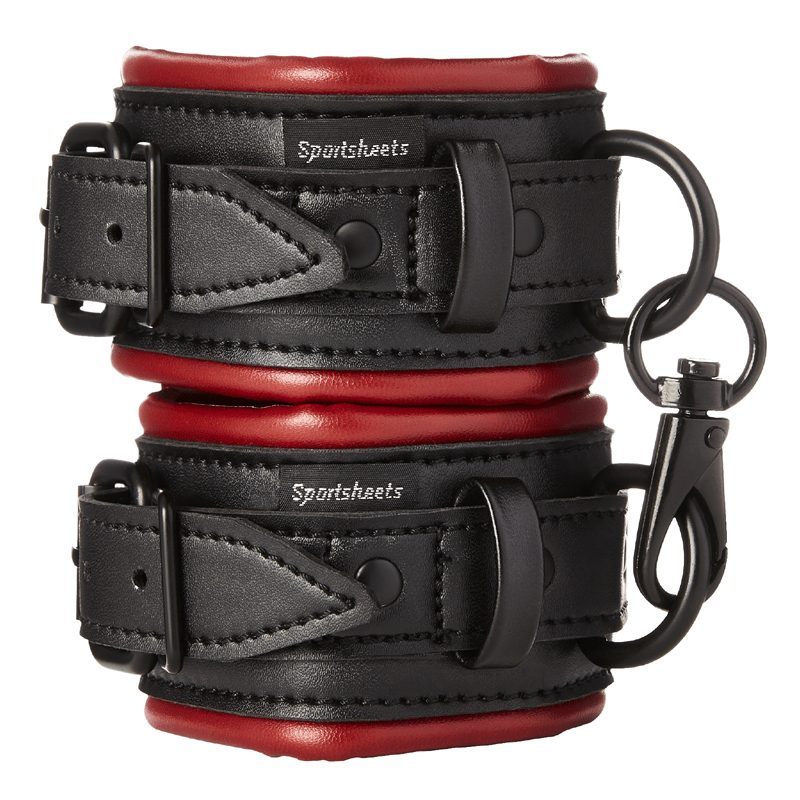
The Saffron Cuffs ($64.99) are a reasonable first pair: vegan leather with a padded inner lining, adjustable, and designed to link together like a standard cuff set or separate and pair with a spreader bar later. The brand doesn't publish an exact wrist circumference range for them — worth knowing up front if precise fit matters to you, since you'll be judging fit by feel rather than a number on the listing.
If you'd rather start without limiting movement at all, a blindfold does something equally effective by removing one sense instead. When sight goes, touch gets louder and anticipation gets tangible — often described by first-timers as one of the most intense experiences they've had, with nothing physically restrained at all.
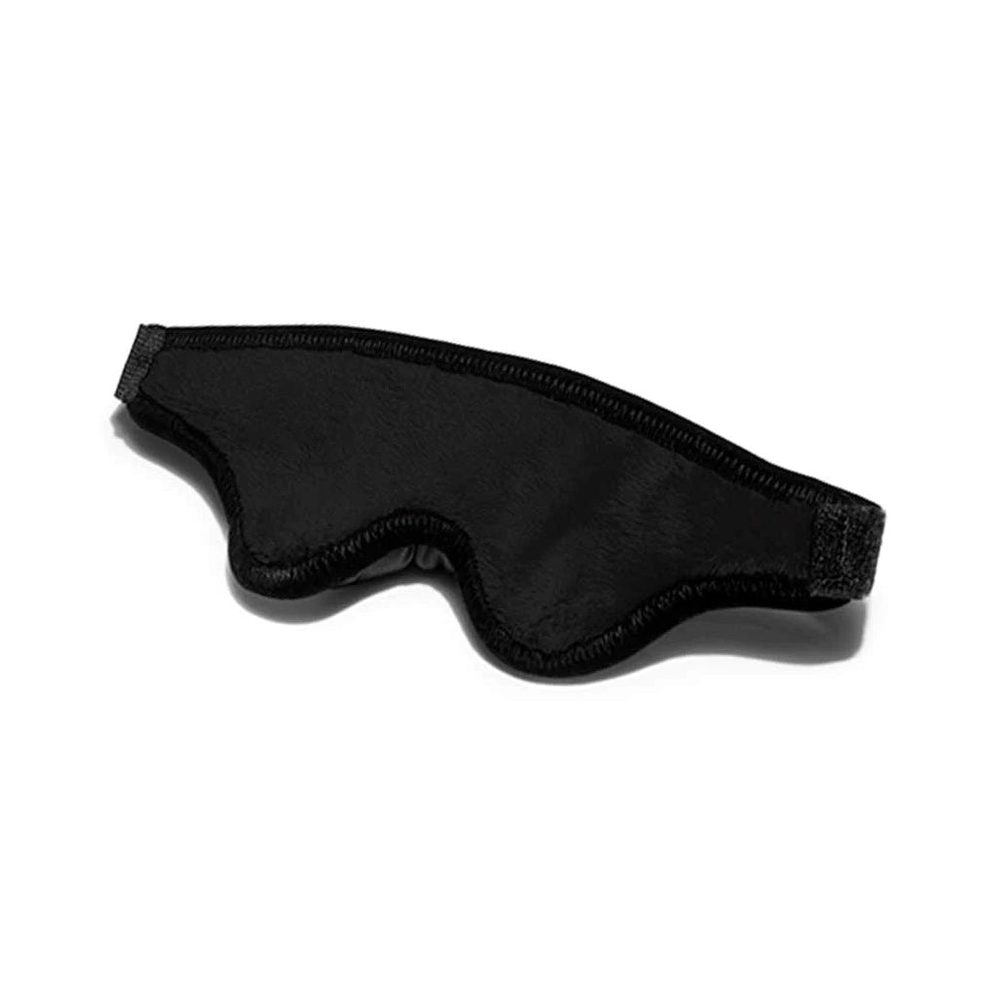
The Black Label Loveblind Plush Blindfold ($79.99) uses a padded no-peek nose bridge and an adjustable velcro strap rather than a fixed elastic band, which matters more than it sounds — a blindfold that lets in light at the edges undercuts the entire point of it. It comes in a red fluffy version as well, if the aesthetic matters more to you than the microfiber finish.
What the first session actually feels like
Here's the honest version: it will probably feel a little awkward at some point, and that's fine. You're learning a shared language. The most common mistake is trying to hold the dynamic continuously from start to finish with no breaks in character — which is exhausting and unnecessary. Pausing to check in doesn't break the scene. It deepens the trust that makes the scene possible in the first place.
If you're leading, your job is attention: watch for tension or a change in breathing, move slowly, and narrate what you're about to do. "I'm going to hold you here for a moment" does something different than silence followed by the same action — your words are part of how your partner feels held. If you're receiving, your job is to keep communicating even when it feels like it interrupts the moment. Silence tends to read as contentment, so say something if you're uncertain.
The trade-offs: when this is exactly right, and when it isn't
This approach is right for a couple who already trusts each other in ordinary life and wants a structured way to explore control without a script written by someone else. It is not right for a couple using restraint to paper over a communication problem that exists outside the bedroom too — that gap tends to show up mid-scene, not before it. It's also not the place to start if either partner is looking for intensity for its own sake; the slow version described here is deliberately the less dramatic on-ramp, not the ceiling.
Aftercare: the part most guides underemphasize
After any session involving power exchange, take a few minutes to come back to each other as equals. It doesn't need to be elaborate — water, physical closeness, and a few honest words about how things felt is usually enough. For many couples, this brief reconnection becomes one of the most intimate parts of the whole experience, not an afterthought tacked onto the end of it.
Care and longevity
Vegan leather cuffs like the Saffron Cuffs hold up best wiped down with a damp cloth after use and kept away from direct heat, which can crack the finish over time. A microfiber blindfold should air out between uses rather than being folded away damp — trapped moisture is what shortens the padding's life, not normal wear.
Building from here
If wrist restraint felt right, ankle cuffs extend the dynamic without adding much complexity. If a blindfold was the starting point, layering in light restraint on a later occasion adds sensation without overwhelming the first good experience you had. For a coordinated next step, the Bed Buckler Tether and Cuff Restraint Kit ($124.99) pairs a set of soft, nylon-lined cuffs with a tether system that slips discreetly under a mattress — it's a tether-and-cuffs pairing, not a blindfold-included set, so know that going in rather than assuming more is boxed than actually is.
If you outgrow a fixed-length tether, look for a connection system that publishes an actual adjustable range rather than a vague "flexible fit" — the Pivot Connection Kit's tethers extend from 10 to 47 inches (26–119cm) with quick push-clip connectors, a number most tether accessories in this category simply don't publish. Browse the full Restraints collection once you have a clearer sense of the intensity and aesthetic you actually prefer — you'll shop very differently after one real session than you would have before it.
Finding your fit
- First restraint, no prior experience: Saffron Cuffs — $64.99, padded vegan leather, links together or separates for later use.
- First scene without limiting movement: Black Label Loveblind Plush Blindfold — $79.99, padded no-peek bridge, adjustable strap.
- Ready to add a tether: Bed Buckler Tether and Cuff Restraint Kit — $124.99, nylon, slips under any mattress.
- Building a modular setup later: Pivot Connection Kit — $84.99, 10–47" adjustable tethers, quick-release clips.
- Not sure where to start browsing: the full Restraints collection or the blindfold selection.
Power exchange, at this scale, was never about the hardware. It's a structured way for two people to practice trusting each other on purpose, with words, before anything else happens. Whichever tool you start with, the conversation is the part worth taking slowly — the rest tends to follow.
The Wednesday letter
The 7-Day Spark, free, then one letter every Wednesday
Seven small evenings to start, plus a short guide to your first piece. After that, one considered letter each Wednesday, never more than one a week.
By subscribing you agree to receive emails from XtasyXperience. Unsubscribe any time. See our Privacy Policy.
