The scene may end when the restraints come off or the impact play stops, but the experience is not actually over. For many people, the most intimate part begins afterward – when adrenaline drops, bodies recalibrate, and both partners need a clear path back to center.
That is what aftercare is for. In any thoughtful guide to bondage and kink aftercare, the goal is not to prescribe one perfect ritual. It is to understand what helps each person feel safe, seen, and settled once intensity gives way to vulnerability.
What aftercare really does
Aftercare is the transition from scene space back into everyday connection. Depending on the kind of play involved, that transition might be physical, emotional, or both. A high-intensity spanking scene can leave someone shaky, thirsty, and sensitive to touch. A control dynamic or humiliation scene can create a different kind of drop later, where the body seems fine but emotions feel unexpectedly raw.
That is why aftercare is less about a scripted checklist and more about regulation. It helps the nervous system come down gradually. It also reinforces trust. When one person has surrendered control, pushed limits, or delivered intense stimulation, attentive care afterward confirms that the connection was mutual, intentional, and well held.
For some couples, aftercare is soft blankets, water, and quiet praise. For others, it is space, minimal touch, and a simple check-in an hour later. Good aftercare feels specific, not generic.
A guide to aftercare for kink scenes starts before the scene
The strongest aftercare usually begins in negotiation, not after the fact. If you only start asking what someone needs once the scene is over, you are already late.
Before play, talk through what tends to happen for each of you afterward. Does one partner get cold? Does the other need verbal reassurance? Is anyone likely to cry, go quiet, or want to be left alone for a short stretch? None of these responses are inherently good or bad. They are simply useful information.
This is also the right time to discuss practical details. If you are using cuffs, rope, paddles, or any gags or blindfolds that create marks or physical fatigue, have recovery items nearby. Water, a snack, a soft robe, lotion, a blanket, and any agreed-upon soothing products should be easy to reach. Thoughtful scenes feel more refined when recovery is curated with the same care as the play itself.
If you are shopping for impact tools, restraints, or sensory play essentials, the same design-minded approach applies. Products that feel intentional, body-aware, and well made often support a smoother arc from anticipation to play to aftercare, which is very much in line with the intimacy-elevated approach at XtasyXperience.
Physical aftercare: tending to the body first
The most immediate needs are often physical. After an intense scene, the body may be dealing with dehydration, elevated heart rate, soreness, or a sudden temperature drop. Start there.
Offer water before a long conversation. If blood sugar seems low, bring something light and easy to eat. If skin has been struck, rubbed, compressed, or exposed to clamps or bondage, check the affected areas with care. You are not just looking for marks. You are paying attention to heat, swelling, numbness, or anything that feels outside the range of what was expected.
Touch can help, but only if it is welcome. Some people want to be held immediately. Others cannot tolerate contact right away, especially after overstimulation, pain play, or orgasm-focused scenes. The elegant move is to ask directly instead of assuming. “Do you want closeness, or a little space?” works far better than forcing tenderness on someone whose body is still buzzing.
Warmth matters more than many beginners expect. A blanket, hoodie, or fresh sheet can make a surprising difference once the body comes down. If touch is welcome, a slow massage oil or warming candle can turn the come-down itself into part of the connection rather than just a recovery step. If the scene involved kneeling, restraint positions, or extended physical effort, a pillow under the knees or lower back may be the detail that shifts someone from discomfort to relief.
Emotional aftercare: where trust gets reinforced
Not every reaction shows up right away. Sometimes a partner looks composed, even glowing, and then feels unexpectedly fragile 30 minutes later. Sometimes the person who was in control during the scene is the one who drops hardest afterward. This is normal.
Emotional aftercare is not therapy, and it does not need to be overly serious. It is simply a way of making contact again as full people, outside the roles you just played. Gentle praise, reassurance, and gratitude often go a long way. “You did beautifully.” “Thank you for trusting me.” “I loved how tuned in we were.” Those kinds of statements can help integrate the intensity rather than leaving it hanging.
Still, reassurance should match the scene. If the play involved degradation, fear, punishment, or strict authority, aftercare may need to be especially explicit. Even if everyone consented enthusiastically, words used in role can echo differently after the scene ends. A clear return to warmth helps both partners separate fantasy from harm.
This is where nuance matters. Some people want to debrief immediately. They want to talk through favorite moments, any surprises, and what they would change next time. Others need silence first and conversation later. Neither is more evolved. The right timing depends on temperament, scene intensity, and experience level.
When aftercare looks different for tops, bottoms, and switches
A common mistake is treating aftercare as something only one partner receives. In reality, everyone involved may need care.
Bottoms or submissives may need comfort after physical or emotional intensity, especially if they have been restrained, pushed, or made to endure sensation. But tops and dominants can also experience a drop. Holding responsibility, monitoring safety, and maintaining control takes energy. Once the scene ends, that focused state can give way to fatigue, self-doubt, or a delayed emotional crash.
Switches often know this from both sides. The point is simple: aftercare should be mutual, even if it is not symmetrical. One person may need a cuddle and verbal affirmation. The other may need a drink, a shower, and a few minutes to breathe before reconnecting. Both needs count.
The scenes that need more deliberate aftercare
Some scenes call for a more intentional plan. Heavy impact, restraint, humiliation, service dynamics, and orgasm control can all create a stronger after-effect than light teasing or beginner bondage. The more intense the headspace, the more important the landing becomes.
If there are visible marks, have a realistic conversation about care and discretion. If the scene touched on emotional triggers, shame, or authority themes, build in more time for reassurance. If the play was new for either of you, expect a little uncertainty afterward. Novelty can feel thrilling in the moment and emotionally louder once the body settles.
It also helps to think beyond the first 20 minutes. Some people experience sub drop or top drop the next day. That can look like sadness, irritability, exhaustion, insecurity, or a strange emotional flatness. A text check-in, a kind message, or a brief phone call the next morning can be part of aftercare too.
What to say when you are not sure what they need
You do not need perfect instincts to do aftercare well. You need presence and a willingness to ask.
A few questions tend to open the right door. “How is your body feeling?” helps distinguish soreness from distress. “Do you want touch, water, food, quiet, or words?” gives options without pressure. “Anything feel off or unfinished?” can catch the small discomforts people sometimes hesitate to mention.
Keep your tone calm and clean. Avoid turning the moment into a performance of care. The point is not to prove you are attentive. The point is to actually be attentive.
A quiet guide · free
Make the moments after a ritual
Where to Start is a short, private guide to your first piece, including the aftercare ritual we’d begin with and exactly how your order arrives. Free, by email.
You’ll also receive the Wednesday letter, one email a week. Unsubscribe any time. See our Privacy Policy.
Building your own aftercare style
The best guide to aftercare for kink scenes is the one you refine over time. What works in a light sensory scene may not work after a more intense power exchange. What worked with one partner may be completely wrong for another.
Treat aftercare as part of your erotic language. Curate it with the same intention you bring to the scene itself. That might mean a particular blanket, a favorite electrolyte drink, soothing skincare for impact areas, a playlist that helps shift the mood, or a standing ritual of checking in the next morning. Small details create a stronger sense of safety than grand gestures.
And if something did not land well, adjust without defensiveness. That is not failure. It is information. Mature kink is rarely about getting everything right the first time. It is about paying attention closely enough to make the next experience even more connected.
Finding what you need
Massage Oil Candle Soft Touch — a plant-based massage oil candle with a pouring spout, so one object covers both the light and the oil. The simplest single addition if aftercare for you happens through touch.
Touch My Body – Ylang-Ylang — a 2-in-1 massage and lubricant fluid, for a wind-down that does not have a clean edge.
Massage Indulgence Kit — five small Kama Sutra Naturals oils in a zippered case, for finding out which one actually settles each of you.
Most people treat intimacy as something that either happens or it doesn’t. A moment of connection, a feeling that arrives uninvited, an experience you hope to stumble into rather than something you consciously build. That framing, while common, is also why so many relationships plateau. It mistakes a destination for an architecture.
The intimacy pyramid offers a more honest model. It maps connection as a layered structure with emotional safety at the base, sensory attunement in the middle, and physical closeness at the apex. Each tier depends on the one beneath it. Skip a layer, and the whole structure becomes unstable, no matter how much effort you invest at the top.
This piece works through each tier methodically. You will learn what separates the foundation from the apex, why sensory attunement is the layer most couples bypass entirely, and how physical wellness practices become significantly more effective when they rest on what comes before them. Most importantly, you will finish with a clearer, more honest read on where you and your partner currently stand within that stack, because that self-location is where any intentional practice has to begin.
Intimacy Is Architecture, Not an Event
Intimacy is not an event. It is a structure. And like any structure, what holds it up matters more than what sits on top.
Secure bonds develop through cumulative relational experience, not spontaneous connection. Research positions intimacy as genuinely multi-dimensional, with emotional, physical, and relational layers developing in relation to one another. You cannot isolate one tier and call it the whole.
The intimacy pyramid gives this structure a name: emotional safety at the foundation, sensory attunement in the middle, physical closeness at the apex.
That dependency is not a metaphor to be appreciated and set aside; it is the operational logic of how closeness actually works. Foundations must bear weight before upper tiers can stand.
This matters for anyone who has ever reached for physical connection and found it strangely hollow, or invested in sensory experience and felt it land without warmth. The reason is almost always structural. As explored in what emotional intimacy actually means and why it comes first, physical wellness is most powerful when it rests on emotional and sensory foundations, not beside them.
What follows is a reflective mapping exercise. The goal is honest self-location, not optimisation. There is no checklist here, only a framework for understanding where you currently are and what that tells you about where to go next.
What Is the Intimacy Pyramid?
The pyramid’s three tiers, emotional safety, sensory attunement, physical closeness, are sequential, not interchangeable. The pyramid presented here draws on attachment research and therapeutic frameworks as an applied model for self-reflection, not a formally validated clinical instrument.
This sequencing matters because intimacy is routinely conflated with sex, romance, or physical affection alone. In reality, intimacy exists across all relationship types; it appears in a long friendship conducted through shared vulnerability, in a family bond held together by consistent emotional presence, in a working relationship built on mutual intellectual trust. The form changes; the underlying architecture does not. Romantic intimacy simply asks all three tiers to carry more weight simultaneously.
The framework also reframes a persistent cultural assumption: that intimacy arrives spontaneously, or not at all. Conscious intimacy is a deliberate practice rather than a climate that either exists or doesn’t. This shift is visible in the growing demand for guided frameworks, structured conversations, and intentional rituals.
One clarification is worth holding from the start: the pyramid is not a hierarchy of value. Emotional safety is not more important than physical closeness in any absolute sense. It is simply earlier in sequence. That distinction, sequence versus value, is the insight the model offers. Knowing where you are on the stack is a more honest starting point than any technique, tool, or intention applied without it.
Tier One: Emotional Safety, The Load-Bearing Floor
Emotional safety is where the pyramid earns its weight. It is the condition in which both partners can be vulnerable without fear of judgment, rejection, or ridicule. Without it, every tier above is built on an unstable surface.
Vulnerability is not a personality trait; it is a relational act. Revealing an authentic self, including the uncertain, the unresolved, and the uncomfortable, is only possible when the environment feels genuinely secure enough to hold it. Attachment research consistently shows that secure relational bonds are not incidental to how we experience everything else; they change the experience itself.
What “safe enough” actually looks like is less dramatic than most people expect. It is a partner who responds consistently rather than unpredictably. It is the ability to name a difficult feeling without first calculating how that disclosure will land. Perhaps most tellingly, it is the absence of contempt during conflict, the moment when a partner’s expression curdles from disagreement into disdain is a reliable signal that the emotional floor is thinning.
A pattern worth recognising: many couples seek physical closeness as a repair mechanism when emotional safety is underdeveloped. The closeness that follows can feel hollow even when everything is technically present. That hollowness is diagnostic. Physical proximity without the relational foundation beneath it is contact, not connection.
Two questions locate you in this tier more honestly than any framework can. Do you feel genuinely heard in this relationship, not agreed with, but actually heard? Can you share something uncomfortable without rehearsing how it will land? These are not small questions. They are the floor.
This matters for queer relationships and relationships of every configuration, because emotional safety takes distinct shapes depending on the relational context. The principle is universal; the practice is personal.
Conscious intimacy and intentional love both begin here. No technique, exercise, or tool substitutes for this layer being structurally sound. The pyramid cannot be built from the top down.
Tier Two: Sensory Attunement, The Layer Most Couples Skip
Emotional safety is the floor. Sensory attunement is where most couples lose the thread.
This middle tier is the practice of deliberately noticing and responding to sensory experience together: the weight of a hand, the warmth of proximity, a familiar scent, the texture of skin. Not as prelude or performance, but as a form of relational presence in itself. Sensory attunement is attention made physical.
It is also the tier most commonly bypassed. After an honest conversation, many couples move directly toward physical closeness, treating the emotional and the physical as adjacent rooms with no hallway between them. The sensory layer is that hallway. Skipping it is why physical closeness can follow genuine emotional openness and still feel like something is missing.
Presence lives here. Slowing down enough to notice what your body is experiencing, and staying genuinely curious about your partner’s sensory world, is itself a relational act. It does not require a destination.
Couples intimacy exercises that build this capacity tend to be disarmingly simple: sitting together in shared stillness, practicing intentional touch without any outcome attached, or using scent and texture as anchors that draw attention into the present moment rather than toward what comes next. The practice is noticing, not achieving.
This is also where intentional wellness tools enter the picture honestly. Massage, aromatherapy, and textured touch are not shortcuts to the apex; used with curiosity rather than agenda, they function as attunement aids, invitations to slow down and attend. Their value lies in what they make possible, not what they produce.
In a 2019 imaging study of 30 women in committed relationships, a partner’s touch reduced the brain’s “neurologic pain signature”, with larger effects among women who reported greater closeness to their partner. Sensory experience is not purely physical; it is shaped, at a neurobiological level, by the relational context surrounding it.
Tier Three: Physical Closeness, The Apex, Not the Whole
When sensory attunement is present, physical closeness becomes possible in its fullest sense. Without it, what passes for closeness is often something quieter and lonelier: proximity.
Physical closeness sits at the apex of the pyramid. It is the most visible tier, the one most commonly equated with intimacy itself. That conflation is the central misunderstanding this essay is built against.
The neuroscience points the same way, though it is early research. In a study published in the Proceedings of the National Academy of Sciences, romantic partners who held hands while one of them was in pain showed more synchronized brain activity, and stronger synchrony went with greater pain relief. The lower tiers are not merely context for the upper one; they are physiologically present within it. Emotional safety and sensory attunement change what the body actually experiences.
This is what structural instability looks like in practice: two people physically present, physically close, yet each quietly unreachable by the other. The architecture has not failed dramatically. It has simply never been built from the ground up. That absence is most legible at the apex, where trust finally shows its presence or its lack.
The distinction worth making is not between types of physical contact but between contact as reflex and closeness as arrival. One is what the body does by default; the other is what becomes available when the lower tiers are sound. Technique is irrelevant here. Foundation is everything.
When emotional safety and sensory attunement are genuinely developed, the apex tier rewards them. Physical closeness becomes more resonant, more sustaining, and more legible as care rather than habit.
This is also where most couples begin when they sense something is missing. They seek solutions at the apex, which is understandable but rarely sufficient. Disconnection rarely lives where it is first noticed.
Where Are You on the Stack? An Honest Self-Location
The pyramid is most useful not as a theory to admire but as a mirror to look into honestly.
Three questions, one per tier, offer a starting point:
Emotional safety: When did you last share something that made you feel genuinely exposed? How did your partner receive it?
Sensory attunement: When did you last notice something sensory about your partner, a texture, a scent, a quality of their touch, with real attention rather than reflex?
Physical closeness: Does physical connection currently feel like arrival, or like avoidance dressed as contact?
Sit with those before comparing answers. Most couples, when they do, discover they are not uniformly developed across all three tiers. One partner may hold emotional safety with ease while sensory presence has gone quiet. Another couple may be physically close in habit but thin on the vulnerability that gives that closeness weight. This unevenness is not a failure. It is simply where most relationships live at any given point in time, and naming it accurately is more productive than pretending otherwise.
Relational assessment tools and couples coaching frameworks are built on a shared premise: honest self-mapping precedes any productive practice. You cannot intentionally tend a foundation you have not yet located.
One note on how to use these questions. Treat them as a conversation to have together, not a private audit to complete separately. Discussing where you each feel strongest and where the structure feels thinner is itself an act of emotional safety. The willingness to say I think we are thin here to someone you love is already a practice, not just a prelude to one.
The goal here is orientation. These questions are a compass reading, not a diagnosis.
Intentional Love Begins With the Foundation
Once you have a clearer sense of where you currently stand on the stack, the next question is less “what should we add?” and more “what deserves tending?”
That distinction is the essay’s whole argument, restated plainly: returning, with attention, to whatever tier is asking for care is where intentional intimacy is actually built.
Physical wellness tools and sensory practices have a genuine role in that work. But their role is one of accompaniment, not replacement. A beautifully chosen object can deepen sensory attunement when it arrives inside a structure already being built. The same object cannot construct the structure on its behalf.
One thing to carry into this week, by tier:
Emotional safety: Name one thing you have been carrying alone and share it, without softening it for easier reception.
Sensory attunement: Choose one sensory practice with no outcome attached; notice a texture, a warmth, a quality of presence, and let that noticing be enough.
Physical closeness: Approach one moment of physical connection this week as arrival rather than habit. Let it be a conscious choice, not a reflex.
Intimacy is not something that happens to you. It is something you build, tend, and return to with intention.
Where you are on that stack right now is useful information, not a verdict.
The pyramid is not a performance standard. It is a map.
Intimacy built this way does not just feel better. It holds.
Frequently Asked Questions
What are the three tiers of the intimacy pyramid?
The intimacy pyramid consists of three sequential tiers: emotional safety (the foundation), sensory attunement (the middle layer), and physical closeness (the apex). Each tier depends on the one beneath it, creating a load-bearing structure. Emotional safety is where partners can be vulnerable without fear of judgment; sensory attunement is the practice of deliberately noticing and responding to sensory experiences together; and physical closeness is the most visible tier but not the whole of intimacy.
Why do many couples experience hollow physical intimacy despite being physically close?
Physical closeness often feels hollow because couples skip the foundational tiers of emotional safety and sensory attunement. When couples move directly from emotional conversations to physical contact without the 'hallway' of sensory presence, they experience proximity rather than true connection. Research shows that lower tiers are not just context—they are physiologically present within physical intimacy itself. Without the structural foundation, physical contact becomes a reflex rather than an arrival.
What is sensory attunement and why is it the tier most couples bypass?
Sensory attunement is the practice of deliberately noticing and responding to sensory experiences together—the weight of a hand, warmth, scent, or texture of skin—as a form of relational presence rather than as a prelude to something else. Most couples bypass this layer entirely, moving directly from emotional conversation to physical closeness. This is why the content describes it as 'the hallway' between emotional and physical connection. Simple practices like sitting in shared stillness, intentional touch without outcome, or using scent as an anchor can build this capacity.
Can intimacy exist in non-romantic relationships, and does the pyramid structure apply?
Yes, intimacy exists across all relationship types—in deep friendships built on shared vulnerability, family bonds held together by emotional presence, and working relationships based on intellectual trust. The underlying architecture of emotional safety, sensory attunement, and physical closeness (adapted to context) remains constant across all relationships. Romantic intimacy simply asks all three tiers to carry more weight simultaneously. The form of intimacy changes; the underlying structure does not.
How should couples use the three reflection questions to assess their relationship?
The three reflection questions are: (1) Emotional safety: When did you last share something that made you feel genuinely exposed, and how did your partner receive it? (2) Sensory attunement: When did you last notice something sensory about your partner with real attention rather than reflex? (3) Physical closeness: Does physical connection currently feel like arrival or like avoidance dressed as contact? Couples should treat these as a conversation to have together, not a private audit. Discussing where you feel strongest and where the structure feels thinner is itself an act of emotional safety and helps identify which tier needs tending rather than what should be added.
Most gift guides for her are written as though she were a category. A candle, a robe, something pink. Safe choices that say very little.
An intimate gift is different. It says I have been paying attention. To her body, to her rest, to the parts of her life that rarely get room. Chosen well, it is one of the most personal things you can give. Chosen carelessly, it lands as a joke or a hint.
This guide is for the first kind of giver. Every pick below is in our curated shop, priced in Canadian dollars and shipped within Canada. They are grouped by budget and by what each gift quietly says. Mature, never crude. Thoughtful, never clinical.
The right gift starts before the browsing. Ask yourself three things.
Is this for her, or for the two of you? Both are lovely. They are not the same gift. A gift for her own rest and pleasure says you deserve this, for yourself. A gift for the two of you says I want more of us. Know which one you mean.
Where is she right now? Someone new to this category needs something gentle and unintimidating. Someone with established taste will notice quality, materials and design. Neither is more sophisticated than the other.
Would she want to open it in front of people? If there is any chance this gift ends up under a shared tree, give it privately. Intimacy deserves a closed door.
Under $100 CAD: the thoughtful beginning
Considered, not cheap. These are the gifts that open a door without pushing anyone through it. They work beautifully as a first intimate gift, or as a small, private addition to something larger.
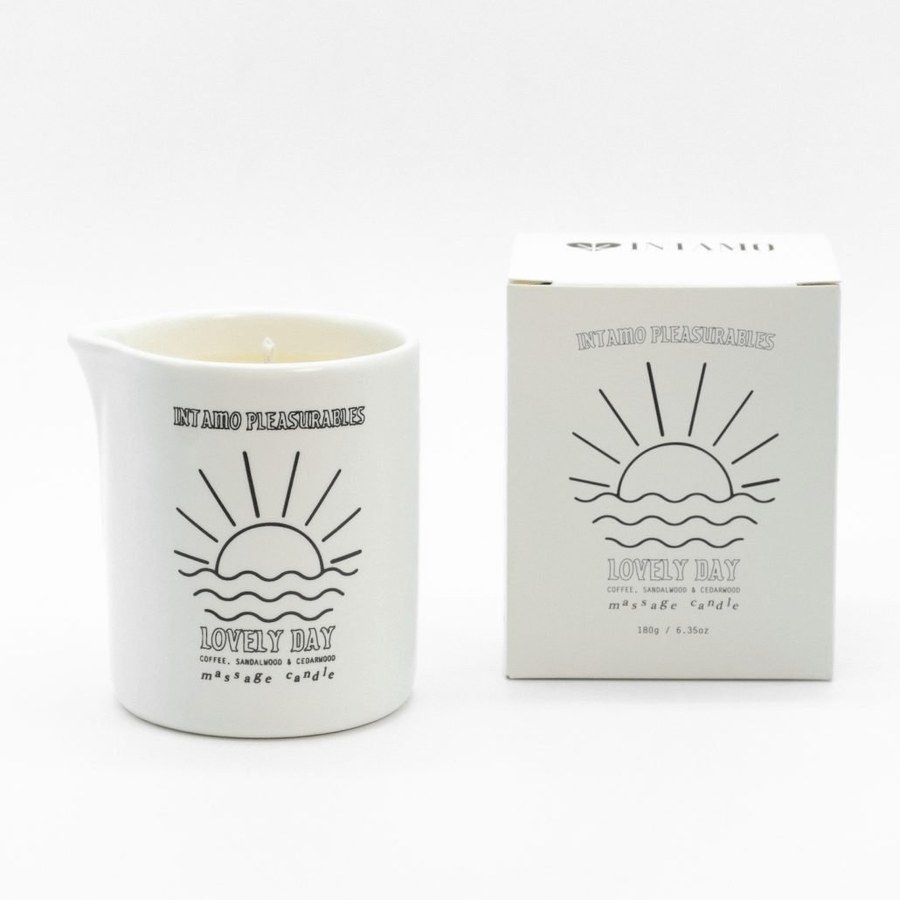
A hand-poured soy candle that melts into a warm massage oil, made with shea butter, cocoa butter and sweet almond oil. Light it for the scent alone, or pour it slowly across her shoulders at the end of a long week. Thirty to forty hours of burn time means this is a ritual, not a single evening.
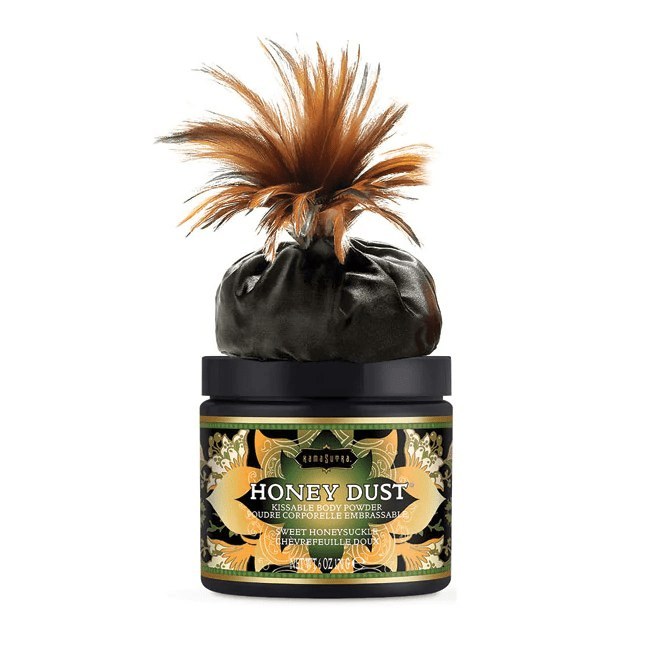
A talc-free, kissable body powder that leaves skin silky and delicately scented, with a soft feather applicator in the box. It has been a quiet classic for decades for a reason. It is playful without being loud, and it turns an ordinary evening into something slower.
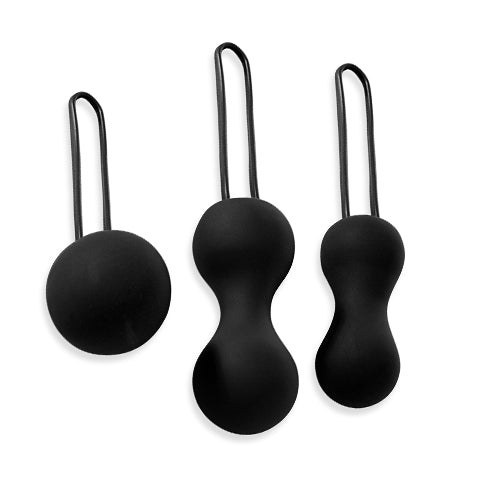
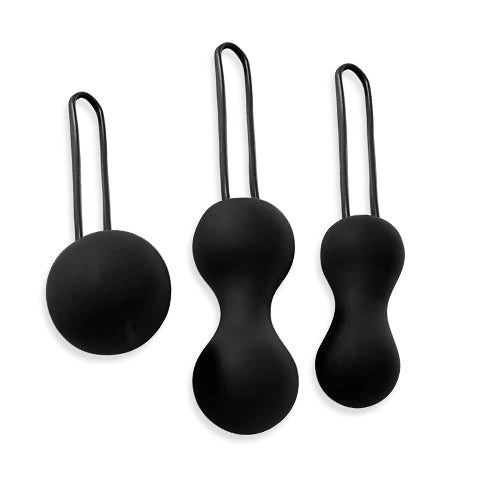
A progressive set for pelvic floor training, in soft, body-safe silicone. This is the most wellness-forward gift in the guide, and one of the most caring. Pelvic floor strength supports comfort, confidence and sensation at every stage of life, and especially after childbirth or into perimenopause. For more on how to choose, read our guide to kegel balls and pelvic floor trainers.
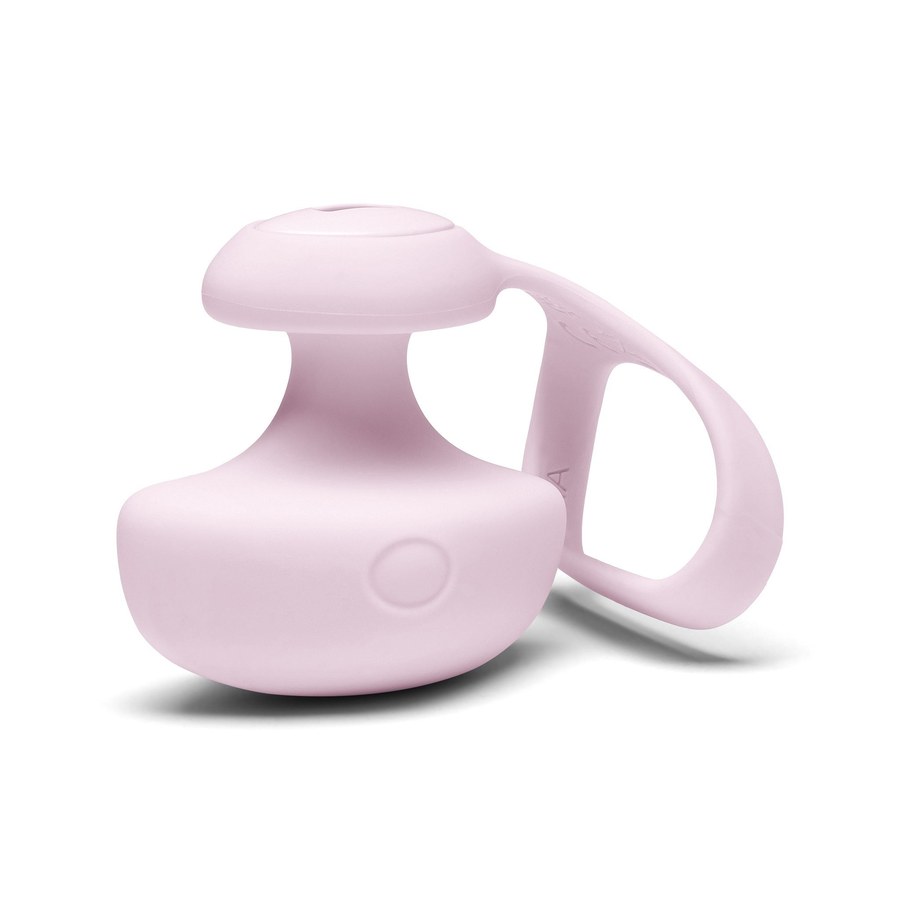
A small finger vibrator in medical-grade silicone that adds gentle, adjustable vibration to your own touch. Five intensity levels, waterproof, USB-C rechargeable, with a three-year warranty. For someone new to the category, it is the least intimidating object imaginable. It barely looks like anything at all.
What it says:No pressure. Just curiosity.
$100 to $200 CAD: the considered sweet spot
This is where most thoughtful gifts live. Better materials, better design, and the kind of quality she will notice the moment she opens the box.
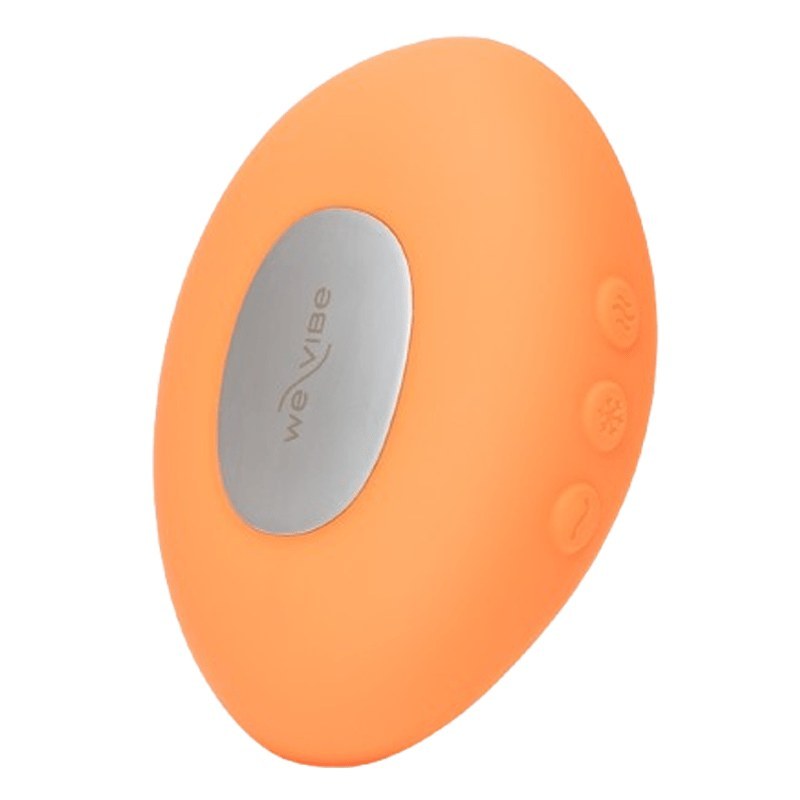
A lay-on massager that shifts between gentle warmth (up to about 38°C) and cool (down to about 20°C), with deep, rumbly vibrations in three intensities. Temperature is one of the most overlooked senses in intimacy. This makes it the centre of the evening. Waterproof, rechargeable and made for solo or shared use.
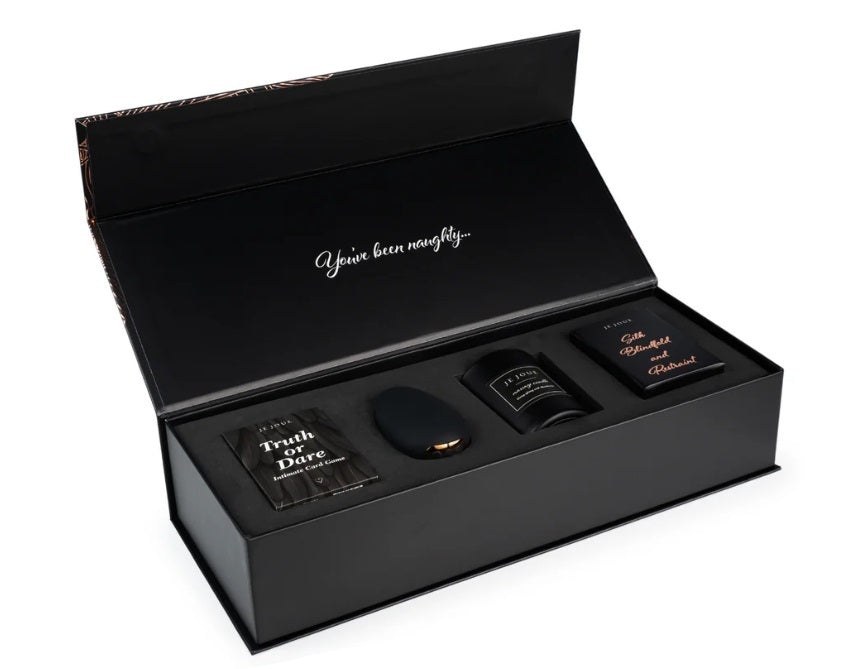
A complete evening in one box: a limited-edition rose gold and black Mimi massager, a ylang-ylang and mandarin massage candle, a satin blindfold and restraint, and an intimate truth-or-dare card game. Beautifully packaged, so the unwrapping is part of the gift. The best choice here if the gift is for the two of you.
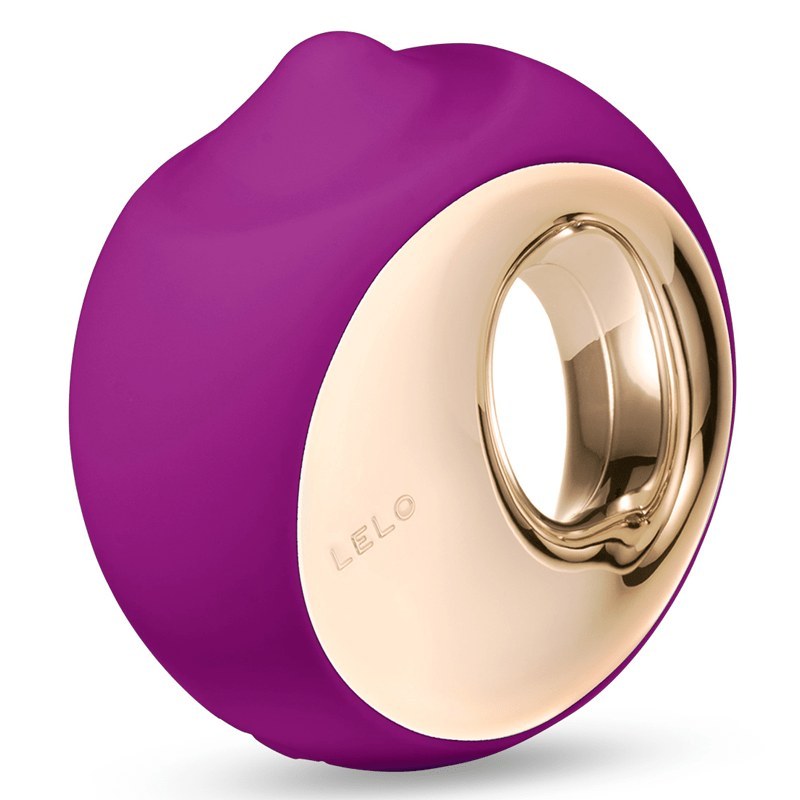
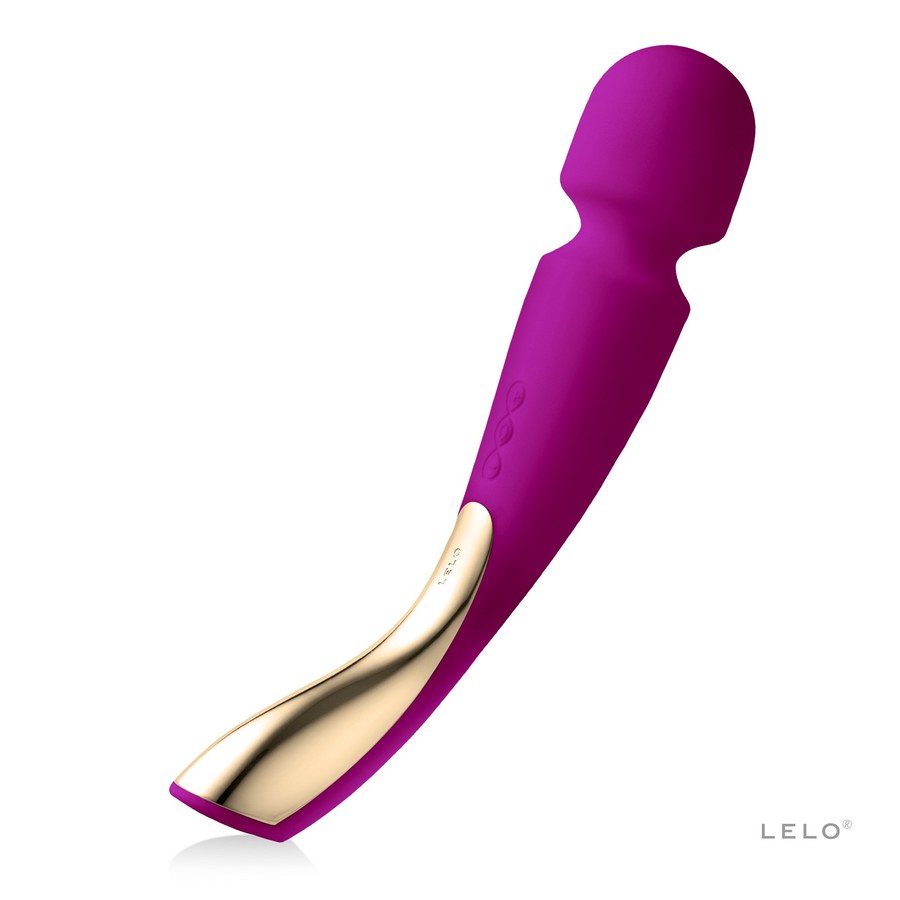
An award-winning external massager with a softly rotating node and twelve patterns, designed to mimic the sensation of oral pleasure. Extra-soft silicone, waterproof and USB rechargeable. LELO’s design is the kind that looks at home on a nightstand, and the deep rose finish is quietly beautiful.
What it says:Your pleasure is worth investing in.
Over $200 CAD: the investment gift
These are the gifts that stay. Built to last for years, from brands that take materials and warranties seriously. Give one of these when the gift is the main event.
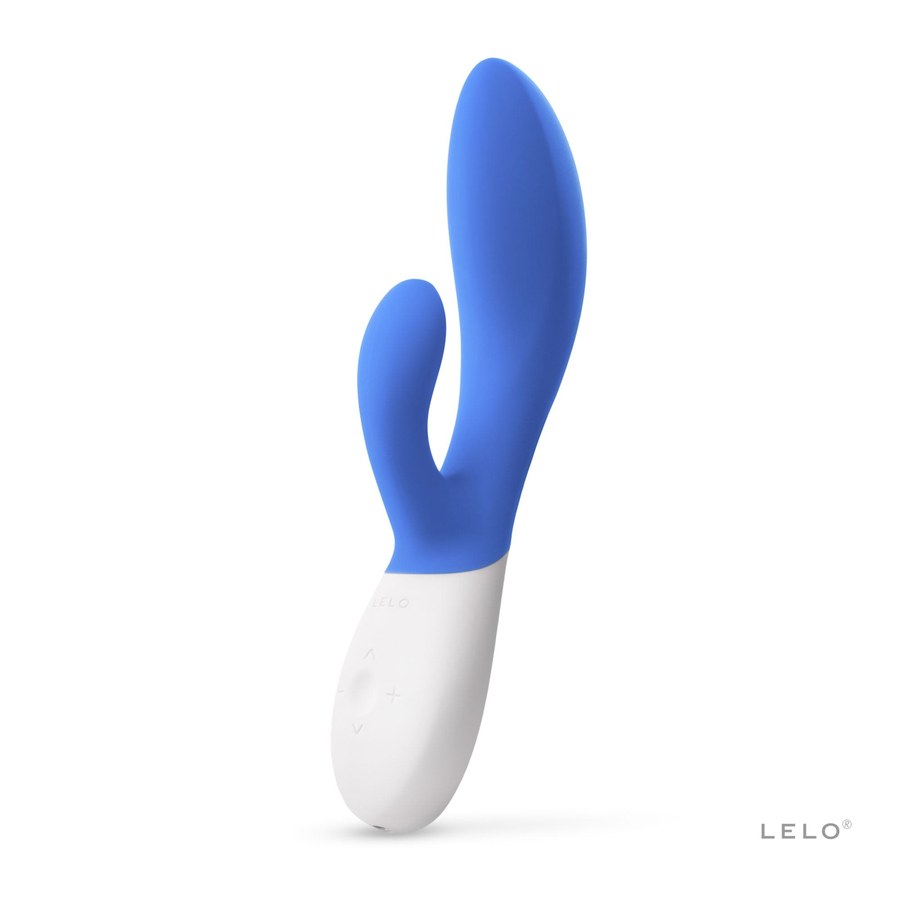
A dual-stimulation massager with LELO’s WaveMotion technology, a gentle “come hither” movement paired with twelve vibration settings. Thirty percent more power than its predecessor and a longer-lasting charge. For someone with established taste who notices when something is done properly.
Officially a full-body massager, and a very good one: ten patterns for sore shoulders and tired backs, a steadier handle and a long-lasting charge. Unofficially, it is one of the most beloved intimate tools ever made. It is the most versatile gift in this guide, and the easiest to give without explanation.
The most complete gift here. ENIGMA Cruise pairs gentle sonic waves for external stimulation with synchronized internal vibration, absorbed through premium silicone for a sensation that is deep but never harsh. It is a gift for someone ready to know her own body more fully, and it is made to last.
What it says:I want you to have the best of everything.
Giving it well
The product is only half the gift. The rest is how it arrives.
Write the note first. Before you add anything to your cart, write one sentence about why you are choosing it. If the sentence is kind, the gift will be too. If you cannot write it, choose something else.
Choose the moment. Give it privately, when neither of you is rushed. An intimate gift opened in a crowded room is a performance. Opened alone, it is a conversation.
Mind the calendar. Every order ships from within Canada, but December is busy for every carrier. For delivery before Christmas, we recommend ordering by December 12.
Running out of time? Our digital gift card arrives by email, never expires and lets her choose for herself. It is the one gift on this list that is never late.
Keep it discreet. Orders arrive in plain, unmarked packaging, so the surprise stays yours to reveal.
Start gentle and external. A massage candle, a kissable body powder or a small finger vibrator like Dame Fin are unintimidating and easy to enjoy alone or together. They open the door without asking anyone to walk through it.
Is it appropriate to give an intimate gift to a partner?
Yes, when it is chosen for her rather than for you. Frame the gift around her rest, comfort and pleasure, give it privately, and let her decide how and when to use it. The note matters as much as the product.
What makes an intimate product “body-safe”?
Look for non-porous materials such as medical-grade or premium silicone, and products labelled phthalate-free and latex-free. Every massager in this guide is made of body-safe silicone. Pair silicone products with a water-based lubricant to protect the surface.
How much should I spend on an intimate gift?
Spend for quality, not size. Under $100 CAD is perfect for a first gift or an addition to something larger. $100 to $200 CAD buys the design and materials she will notice. Above $200 CAD is an investment gift, built to last for years.
The gift she keeps
The best intimate gift is not the most impressive one. It is the one she opens and understands, immediately, as chosen for her. Start with the note. Choose the moment. Then choose something worthy of both.
You notice a restraint on your skin before you notice anything else about it — not the buckle, not the price tag, the material. That’s the real question behind “silicone or leather,” and it deserves a straight answer before anything else: this store doesn’t stock silicone cuffs, and what it sells as “leather” isn’t leather either. Here’s what’s actually on the shelf, and why the real trade-off is more useful than the one the title promises.
A quick disclosure, up front. Every cuff and restraint in this catalogue’s Restraints collection is tagged, in the product data itself, as either “Leather / Faux Leather,” “Nylon,” or “Stainless Steel.” Silicone shows up in this catalogue exactly once — on a line of impact paddles, not cuffs. And the “leather” pieces are consistently vegan or faux leather in their own descriptions — nowhere is a hide product sold as a restraint here. If a silicone-vs-leather comparison brought you here, that’s the honest state of things before you spend anything.
What actually changes: structured faux leather vs. soft nylon-and-microfiber
The real material split in this catalogue isn’t silicone versus leather. It’s structured versus soft — faux-leather cuffs built around visual presence and a firmer hold, against nylon-and-microfiber tether systems built around comfort, adjustability, and long wear. That split covers most of what people are actually asking when they ask about silicone versus leather: which one is gentler on skin, which one holds its shape, which one disappears into storage.
Faux leather: presence and a firmer hold
The Saffron Cuffs are the clearest example — adjustable vegan-leather wrist restraints with a soft inner lining, priced at $64.99, built to link together like standard cuffs or separate and connect to a spreader bar. They hold their shape the way people expect “leather” to behave: structured, visually deliberate, more ceremonial than casual. The step up is the Saffron Chained & Tamed set at $94.99, which adds a posture collar and a double ankle cuff to the same wrist restraints — genuinely built for full-body positioning rather than a single pair of wrists.
Faux leather asks for a little care: kept dry, wiped down rather than soaked, stored flat so the buckles don’t crease the material. In exchange it looks and feels the most “serious” of anything on this list, and that visual weight is exactly what a lot of buyers are shopping for when they say “leather.”
Nylon and microfiber: adjustability and comfort
The Bed Buckler Tether and Cuff Restraint Kit is the catalogue’s actual nylon entry — four 20-inch adjustable nylon tethers with Velcro wrist and ankle cuffs, priced at $124.99, designed to slip under a mattress or box spring rather than attach to anything rigid. It’s the closest thing here to what a “silicone cuff” shopper is usually after: soft against the skin, machine-washable in spirit if not in instructions, and forgiving of a beginner’s first few sessions. The bonus D-rings also make it compatible with rope, scarves, or the leather cuffs above, so the two material families aren’t mutually exclusive purchases.
If portability matters more than a bed setup, the Pivot Connection Kit uses the same soft-tether logic in a smaller footprint — its two tethers adjust from 10 to 47 inches, a specific, published range rather than a vague “adjustable,” which is worth knowing before you buy for anything other than a bed frame.
The trade-offs: when each one is right
Faux leather is the better pick when the visual and psychological weight of the restraint matters as much as the function — when part of the point is what it looks like on the nightstand, not just what it does. It is the wrong pick for anyone who wants to machine-forget about maintenance, or whose skin reacts to synthetic leather’s stiffer surface during longer sessions.
Nylon and microfiber are the better pick for first-timers, for anyone prioritizing comfort over ceremony, and for couples who want a setup that disappears into a drawer between uses. It is the wrong pick for anyone who wants the restraint itself to carry visual authority — a soft tether under a mattress doesn’t do the same work in the room that a structured cuff does.
Neither material solves the problem silicone is usually marketed to solve — full waterproofing and zero absorbency — because nothing in this catalogue’s restraints line is silicone. If that specific property matters more than anything else here, it’s worth saying plainly rather than stretching a faux-leather or nylon product to fit a claim it can’t back up.
Care and longevity
Faux leather lasts longest kept dry and stored flat; a damp cuff left folded is the most common way these develop a crease that never fully relaxes. Nylon tethers and Velcro cuffs hold up to far more casual handling and the occasional wipe-down, which is part of why they’re the easier recommendation for anyone still deciding how often this gear will actually get used.
Finding your fit
Saffron Cuffs ($64.99) — adjustable vegan-leather wrist cuffs with a soft lining; the structured, visually deliberate option.
Saffron Chained & Tamed ($94.99) — posture collar plus wrist and ankle cuffs, for full-body positioning once you’ve outgrown a single pair.
Bed Buckler Tether and Cuff Restraint Kit ($124.99) — genuine nylon tethers with Velcro cuffs, the softest and most beginner-forgiving option here.
Pivot Connection Kit ($84.99) — the same soft-tether comfort in a compact, 10–47 inch adjustable form for setups away from a bed frame.
The full restraints collection, for comparing materials side by side before deciding.
The honest version of “silicone or leather” is “structured or soft” — and once the actual materials are on the table, that’s a much easier decision to make well.
The word “dominance” tends to arrive with equipment already attached — a room, a wardrobe, a scripted scene. For most couples who actually try it, the first version is smaller than that: one partner says “let me take this tonight,” the other says yes, and something in the evening changes shape. That is the whole mechanism. Everything else is refinement.
D/s — dominance and submission — is one of the most misread dynamics in intimate relationships, usually cast as either extreme or transgressive. In practice it tends to be one of the most communication-heavy, consent-driven things two people can choose to do together. This is the plain version, without the costume.
What makes power exchange different from “being in charge”
Every relationship has moments of one partner leading and the other following — deciding where to eat, whose week was harder, who plans the trip. D/s takes that ordinary asymmetry and makes it explicit, temporary, and negotiated. The dominant partner takes an active, directing role for a defined stretch of time. The submissive partner chooses, on purpose and repeatedly, to hand that direction over.
The difference from everyday leading and following is the word “chooses.” Nothing here is passive. The dominant is reading, pacing and taking responsibility for another person’s experience in real time. The submissive is exercising a specific, active form of trust — one that can be withdrawn at any point, which is exactly what keeps it from being anything else.
Why this is its own category, and who it’s actually for
Power exchange sits on a spectrum. At the light end, one partner asks the other to follow their lead for a single encounter, with no roles outside that hour. At the structured end, a couple negotiates an ongoing dynamic with explicit agreements that extend past the bedroom. Most people trying this for the first time land near the light end — and there is nothing preliminary about that. Plenty of couples keep it there permanently and are done exploring.
It is worth saying plainly who this is not for. If either partner is uncomfortable with any imbalance of control, if the relationship doesn’t yet have a baseline of trust and honest conflict, or if one person is hoping the dynamic will fix a communication problem rather than express one that’s already healthy, D/s is the wrong tool. It rewards a relationship that already works. It does not repair one that doesn’t.
What to look for before you start
The instinct is to shop first. The more useful order is roles, then structure, then equipment — because gear only works once the conversation underneath it exists.
The pre-scene conversation
Before anything is attempted, both partners need a plain-language account of three things: what interests them, what is off-limits without exception, and what safe word or signal will stop everything immediately, no questions asked in the moment. This conversation is not a formality standing between you and the fun part. Done honestly, it is itself a form of intimacy — arguably a more vulnerable one than what follows it.
The roles
The dominant partner directs: what happens, at what pace, at what intensity, and — continuously — how the submissive partner is actually doing, not how the script says they should be doing. A dominant who stops paying attention has stopped doing the role. The submissive partner yields, on purpose, renewing that choice throughout rather than surrendering it once. Their leverage is real: the safe word, the stated limits, and the consent that makes the entire arrangement possible in the first place. Plenty of people don’t settle into one side consistently — “switch” describes someone comfortable in either role, often because having done both makes them better at each.
Structure: how much, how often
A dynamic can be a once-a-month arrangement confined entirely to the bedroom, or something with its own vocabulary and rituals that touches daily life. Neither end is more legitimate than the other. The honest question is whether the level of structure you’re choosing matches what both people actually want, rather than what looks more serious from the outside.
Safety framework and aftercare
The safe word system needs to be simple enough to use under stress — a single word, or a traffic-light scale, agreed in advance and never relitigated mid-scene. Aftercare is the part beginners most often skip and experienced practitioners most often credit for making a dynamic sustainable: after anything with real intensity, both partners need deliberate time to come back down together, not just the one who was receiving direction.
The trade-offs: when this fits, and when it doesn’t
D/s tends to work best for couples who already communicate well under ordinary circumstances and want a structured way to deepen that. It tends to go badly when it’s introduced to paper over resentment, when one partner agrees out of a fear of disappointing the other rather than genuine interest, or when either person treats the safe word as something to be talked out of rather than honored instantly. None of that makes the dynamic itself unhealthy — it means the timing or the footing is wrong, and that is worth noticing before anything physical is involved.
It is also fine to try a single light session and decide it isn’t for you. Nothing about D/s requires an ongoing identity or a permanent label, and plenty of curious people confirm it isn’t their thing after one evening. That is a complete and useful outcome, not a failed one.
A quiet guide · free
Curious where to begin?
Where to Start is a short, private guide to your first piece: the one soft tool we’d begin with for trust and surrender, three agreements to make before anything, and exactly how your order arrives. Free, by email.
You’ll also receive the Wednesday letter, one email a week. Unsubscribe any time. See our Privacy Policy.
Where gear enters, once the conversation exists
Products are a way to make an already-agreed dynamic physical, not a substitute for agreeing to it. Restraints are usually the first addition, because they give a verbal agreement something to hold onto. The Edge Collar & Leash is a common starting point for exactly that reason — a padded faux-leather collar built for extended wear, with a large center ring for the leash and two additional side connection points for positioning, which is a fair example of gear doing nothing more than making a role visible.
From there, most people move into restraints proper — simple wrist and ankle cuffs before anything more structured — and eventually into the wider bondage and kink range, including impact tools for sensation-focused play or nipple play for couples working with a lighter touch. That is usually a later step, not a first one.
The questions people actually ask
Do I need to identify as dominant or submissive?
No. A single session carries no obligation to claim an ongoing identity. The experience doesn't require the label.
Is D/s the same as BDSM?
D/s is one piece of the BDSM umbrella, which also covers bondage and discipline and sadism and masochism. Plenty of people practice D/s without the other elements. The overlap is real but not total.
What if one partner is curious and the other isn't?
This is common, not a sign of incompatibility. It calls for patience and a genuinely honest account of what each person is comfortable with — not persuasion, and not silent disappointment on either side.
How important is aftercare, really?
Central, not optional. After anything with real intensity, both partners need intentional time to reconnect and re-ground. It is the piece beginners most often underestimate and experienced couples most often name as the reason their dynamic lasts.
Finding your fit
A short list of where to start, in the order most couples actually move through it:
Edge Collar & Leash — padded faux leather, a large center ring plus two side connection points; the clearest way to make a role visible without committing to a full kit.
Saffron Cuffs — adjustable vegan-leather wrist restraints with a soft inner lining, made to link together or attach to a spreader bar as the dynamic develops.
Saffron Chained & Tamed — a posture collar with matching wrist and ankle cuffs, for couples who have already found their footing and want a more structured full-body option.
The wider restraints and bondage & kink collections, for anyone who wants to browse before deciding what the first piece should be.
None of this is about how much equipment ends up in the drawer. It's about whether the conversation underneath it was honest.
D/s, done well, is not a performance of extremity — it is a structured, unusually attentive way of paying attention to another person. Start with the conversation, keep the safe word sacred, and let the rest follow at whatever pace actually suits the two of you.
Most guides for gifts for couples are, honestly, a little lazy. They recycle the same wine-and-candle combinations, lean hard on novelty, and treat the whole thing like a scavenger hunt for something surprising rather than something meaningful. You deserve better than that. So does your relationship.
This guide is built on a different premise: the gift you choose is never just the gift. It is a signal. It says something about how you see your partner, how you see your relationship, and what you are willing to invest in both. That framing changes everything, including what ends up in your cart.
What follows is a carefully considered intimate wellness gift guide written specifically for Canadian buyers, with real CAD pricing, domestic sourcing options, and honest shipping context built in throughout. Whether you are a few months into something new, years into something established, or somewhere in the middle of reconnecting, there is a section here for you.
By the time you finish reading, you will not just have a list of ideas. You will have a clearer sense of what you actually want to say.
Why the Gift Is Never Just the Gift
Every gift you give to a partner is a small act of positioning. It says something about how you see this relationship, what you believe it deserves, and where you imagine it going. That meaning exists whether you intended it or not.
Most gifts are chosen the other way around: something noticed while scrolling, a price point that feels safe, a deadline that narrows the options fast. Novelty and convenience are not bad instincts, but they produce generic outcomes. The recipient receives the object and, somewhere beneath the gratitude, registers that it could have gone to almost anyone.
The intentional alternative is quieter and more specific. It starts not with “what should I get?” but with “what do I want this to say?” Research on gift-giving and relationships consistently finds that experiential and emotionally resonant gifts strengthen relationships more durably than material ones, precisely because they carry the weight of being chosen with someone specific in mind.
Intimate wellness gifts, when selected thoughtfully, do this as well as almost any category can. A product chosen to support connection, sensory attention, or shared ritual communicates investment without requiring a single word of explanation. The object itself carries the message.
Most couple gift guides don’t operate this way. The standard format offers 27 or more picks sorted by price, organized for the reader who needs something rather than the reader who wants to give something meaningful. Budget tiers without relational context are just a shopping filter.
This guide is built differently. The organizing logic here is occasion and relationship moment first, price second, because the moment you are in together matters more than what you can spend. What follows is not a list of things to buy. It is a framework for choosing something worth giving.
How to Read This Guide
This guide is organized by relationship moment first, budget second. The occasion or milestone you are navigating determines which section you start in; the price tiers within each section let you calibrate from there. That sequence is deliberate: the moment shapes what the gift needs to do, and the budget follows.
All prices are in CAD, with shipping and discretion notes specific to Canadian buyers folded into each relevant section. Most guides omit that context entirely. It matters here because landed cost, delivery timing, and packaging privacy are practical factors, not afterthoughts, especially in this category.
A note on what “intimate wellness” means in this guide. It refers to products that support connection, self-knowledge, sensory awareness, and shared ritual. It is not a performance category, and it is not defined by novelty. The framing is closer to considered self-care than to anything you would find in an adult entertainment context.
Alongside each recommendation, you will find a short “what this gift says” note. Its purpose is to translate the object into relational language, because a product description tells you what something is, not what it communicates to the person receiving it. That translation is where the intentionality becomes visible.
The practical details, CAD pricing, discreet packaging, and shipping context, are covered in the “Ordering in Canada” section.
Gifts for the Early-Stage Couple: Opening a Conversation
Early-stage gifting is the most delicate work in this guide. The gift needs to signal curiosity and care without overreaching; it should open a door, not walk through it uninvited.
The right occasion anchors for this tier: a first Valentine’s Day together, a three-to-six-month milestone, or the first birthday one of you marks as a couple. These moments share a quality worth noting. They are early enough that the relationship still carries some formality, but established enough that a considered gift lands as intentional rather than presumptuous.
Budget: CAD $40–$90. This is the right register. Enough to feel genuinely chosen, modest enough not to create the quiet pressure that comes with an expensive gift received before the relationship has earned that weight.
What to Consider at This Tier
Three product directions work well here:
Intimate conversation card sets. Structured prompts that give both people permission to go somewhere honest without either person having to initiate it from scratch. The format does the work of starting the conversation.
Shared sensory products. A massage candle, a bath ritual designed for two, a body care set with enough for both of you. These are low-stakes and tactile; they create a shared experience without requiring any particular vulnerability.
A small curated wellness kit framed around “things we haven’t tried together yet.” The framing matters as much as the contents.
What This Gift Says
“I am curious about you, and I want to invest in the version of us that makes space for that curiosity.” That is a statement about openness, not urgency. It is one of the more generous things you can offer someone early in a relationship.
A practical note for Canadian buyers: products in the $40–$90 range typically arrive within standard shipping windows to most provinces.
The shift from early-stage gifting to gifts for her within the couple context is a small but meaningful one. The occasion may be the same; the intention is different.
There is a familiar pattern in couple gift-giving: one partner, often a woman, receives something labelled a “wellness gift” that turns out to be a bath set, a candle, or a skincare item that could have come from anyone. These are not bad gifts. But they carry no relational signal. They say “I know you like nice things” rather than “I see you.”
This section reframes that pattern as an opportunity.
Two Types of Gifts for Her
The first type is genuinely individual: a personal ritual tool, a premium body care formulation she has mentioned wanting, or a curated sensory kit oriented around her own self-knowledge. This gift requires no participation from a partner and asks for none. It is complete on its own terms.
The second type invites conversation or shared experience. It begins as hers, but its nature creates an opening. A massage oil she introduces into the relationship. A body ritual that becomes a shared one over time.
Both are valid. The distinction is worth making before you buy, because the intention shapes everything.
The Most Meaningful Version
The most considered gift in this category does something quieter than either of the above: it acknowledges that her relationship with her own body and her own pleasure is worth investing in, independent of what that means for the relationship. This is not a solo self-care product dressed up with a bow. It is a deliberate act of recognition.
Budget guidance: CAD $55 to $150. This range communicates that her individual experience carries the same weight as the couple experience. That symmetry matters.
Product direction: personal wellness tools built around sensory self-knowledge, premium body care formulated specifically for her, or a small curated kit she can explore alone and, if she chooses, invite her partner into later.
What this gift says: “I see you as a whole person, and I want you to have something that is entirely yours.” That is one of the most quietly powerful things a partner can communicate, and it rarely requires a large budget to land.
Gifts for Established Couples: Deepening What Is Already There
Established partnerships ask something different from the gift: not discovery, but renewal.
This is the most specific gifting problem a couple faces, and it deserves a more deliberate answer than most guides offer.
When this gift makes the most sense: anniversaries at years three, five, and ten tend to mark genuine relationship transitions rather than simply elapsed time. Post-travel reunions carry a similar quality, as do quieter moments of recommitment after a demanding season. Any occasion that feels like a threshold rather than a calendar date is the right one.
Budget range: CAD $90 to $200. Below this, the gift risks reading as an afterthought. Within it, something shifts: the gift stops functioning as an object and starts functioning as an event. That register is exactly right for a partnership with history behind it.
What to look for in this range:
Shared ritual kits designed around a specific evening, with a clear arc from beginning to end, rather than general-use products with no particular occasion in mind
Intimacy games or guided conversation tools that create structured permission for vulnerability; long-term partners often know each other’s surface well and need something that reaches deeper
Premium massage or sensory tools that reward unhurried attention, because slow attention is itself a form of care that busy partnerships often deprioritise
The thread connecting all three is participation. The best gifts for couples at this stage are not passive. They are invitations that require both people to actually show up, on the same evening, with the same intention.
What this gift says:I am not done learning you. For someone who already knows you well, that may be the most generous thing they can hear.
Renewal and reconnection are related but not the same thing. The previous section is about deepening a partnership that is already functioning well. This one is for something quieter and more specific: the period after distance. New parenthood. A year of grinding career pressure. Grief that made everything feel far away. Or simply the slow drift that accumulates in long partnerships without either person choosing it.
This is, arguably, the most meaningful gifting moment in any relationship. There is no occasion obligating it. No calendar date requiring it. A gift chosen here is chosen entirely on its own terms, which makes it more communicative than almost anything else you could give.
The budget for this moment sits between CAD $120 and $250, and that spend is itself part of the message. It says: I am not just acknowledging that distance happened. I am willing to invest in re-entry. There is a meaningful difference between those two positions.
The product direction matters just as much as the amount. What this moment does not need is anything framed around “spicing things up,” a phrase that carries implicit performance pressure and assumes a deficit rather than a pause. What it needs instead are kits oriented around sensory slowness: tools that create permission to be present with each other without any agenda attached. Massage rituals that ask for sustained attention. Guided prompts that reopen conversation at whatever pace feels right. Products designed around noticing, not achieving.
You will not find this category in most mainstream couple gift guides. Those guides treat reconnection as interchangeable with anniversaries or Valentine’s Day, when the emotional logic is entirely different. An anniversary celebrates continuity. A reconnection gift says something more exposed than that.
It says: I chose this because I want to find my way back to you, and I am willing to be deliberate about it.
No gift card communicates that. Very few gifts do.
Budget is not the most interesting thing about a gift. At the sub-$75 tier, that truth becomes the entire strategy.
Nearly one in five Canadians cut back on gift spending this past Valentine’s season, and the under-$75 range is where most considered gifting actually happens. The editorial job here is to close the gap between “affordable” and “forgettable,” because those two things are not the same.
Three categories do this reliably:
Intimate conversation tools: card sets, prompt decks, and guided question formats cost very little to produce and almost nothing to ship, but a well-designed deck can generate an hour of genuine conversation that most couples haven’t had. The value is in what happens after the box opens.
Introductory sensory products: a massage candle, a bath ritual for two, or a curated sample kit gives a couple something to do together, not just receive. Single-use or introductory formats are low-stakes by design, which matters more than most guides acknowledge.
Beautifully packaged wellness accessories: at this price point, the unboxing experience carries real weight. When the packaging is considered, the product inside reads as considered too.
This tier is also the most welcoming entry point for couples who are newer to the intimate wellness category. A lower price point quietly removes self-consciousness from the equation, making it easier to give and easier to receive without any pressure attached.
Check shipping costs at checkout, knowing the landed cost before you finalise keeps the budget honest.
One thing worth holding onto: the product is rarely what makes a sub-$75 gift land. The note you write, the occasion you name, the specific intention you put into words, that framing is doing most of the work. The gift is the occasion; the meaning is yours to supply.
Move one tier up, and the gift changes register entirely.
The $75–$175 CAD range is where the gift noticeably changes register. It is enough to signal that you thought about this, without creating any financial weight on either side of the exchange. That balance is rarer than it sounds.
This is also the tier where curated bundles become viable. Under $75, you are largely working with a single well-chosen product. Here, you can assemble two or three complementary pieces around a shared ritual: a premium massage tool paired with a sensory oil, an intimacy game alongside a bath ritual kit, or matched items that give each partner something of their own. The gift stops being an object and becomes a designed experience.
What to look for at this tier:
Premium massage tools or sensory accessories with considered design and tactile quality
Intimacy games built for extended, repeated use rather than single-session novelty
Personal wellness tools where packaging and presentation are part of the offering
Paired ritual kits, one for each partner, that create a sense of symmetry and equal investment
At this level, the gift reads as a genuine self-care investment rather than a casual purchase, the same mental register as premium skincare or a considered fitness accessory.
This is where XtasyXperience’s curation earns its keep most clearly. The $75–$175 window is underserved by most mainstream guides, which means a thoughtful buyer here gets disproportionate return on a considered choice.
Check current shipping thresholds directly on the XtasyXperience site before completing your purchase, this tier is where free or flat-rate shipping thresholds, if any, are most relevant.
There is a meaningful difference between spending more and investing more. A premium anniversary dinner costs more than a weeknight meal, but nobody calls it extravagant, because the occasion, the intention, and the durability of the memory justify the number. The same logic applies here.
Above $175 CAD, the gift stops being a gesture and becomes a statement.
The occasions that belong in this tier are ones with genuine weight: a fifth anniversary or beyond, a significant reconnection after a season of distance, or any moment where you want to mark a deliberate new chapter rather than simply acknowledge a date on the calendar. The price point earns its place when the relationship moment earns it first.
What belongs at this level is not novelty. Novelty is for lower tiers. Here, the right product direction is a premium personal wellness device with real lasting utility, a bespoke intimate wellness kit assembled around this specific couple’s context, or a high-end ritual set that brings the quality of a spa experience into your own space, together. The throughline is intention, not extravagance.
The quality that separates a good investment gift from an expensive one is revisability. The best gifts for couples at this price point are ones you return to. Products that reward slower attention on the third use than the first. Items that become part of an ongoing shared ritual rather than a single unboxing moment. If a product cannot offer that, the price tag is not justified regardless of the category.
For packaging and delivery details, see “Ordering in Canada” below.
What this gift says, in the end, is this: “This is not about the occasion. This is about us, and I wanted to mark that properly.”
Ordering in Canada: What You Need to Know Before You Buy
Once you have chosen the right gift, the practical side matters just as much as the sentiment behind it. Most couple gift guides skip this entirely. For Canadian buyers, that gap is real.
Pricing on XtasyXperience is in CAD. Cross-border retailers often list in USD and convert at the worst moment; buying domestic removes that variable entirely. Confirm the currency display at checkout before completing your order.
Build in more lead time than you think you need. A rough guide by occasion:
Valentine’s Day (February 14): For Valentine’s Day, allow at least one to two weeks; rural and remote postal codes need more buffer than urban ones, check current Canada Post service standards before ordering.
Anniversaries and birthdays: As a baseline, allow ample business days from order to arrival; rural addresses consistently require more lead time than urban ones. Confirm current timelines at checkout.
Last-minute gifting: Standard shipping is not guaranteed expedited shipping. If the date is within a week, check current timelines at checkout before confirming.
Discreet packaging is standard on every order. In practice, nothing on the outside of the package identifies the sender, the brand, or the category, confirm current packaging practice on the XtasyXperience site. For shared households, apartment building parcel lockers, and any gift being shipped directly to the recipient, this matters more than it would with almost any other purchase category.
When the date is too close: our digital gift card arrives by email, never expires and lets your partner choose for themselves. Nothing ships, so it is never late.
Domestic-only shipping is a deliberate choice. XtasyXperience ships within Canada, with product selection, pricing, and fulfilment calibrated for this market.
What the Gift Is Really For
Once you have chosen, you have everything you need to evaluate the gift itself. That is the whole guide, condensed.
A couple of things to carry forward:
Start with the moment, not the product. The occasion or relationship context determines the right category and budget. Working backwards from a product you already like is how well-intentioned gifts miss. Ask what this particular moment calls for, then find what fits.
Treat the logistics as part of the gift. The logistics, pricing, packaging, timing, are the practical side of the same intention.
That opening argument, the gift is an act of relationship positioning, is what every pick in this guide is designed to serve.
The most considered gifts are not the most expensive, and they are not the most surprising. They are the ones the recipient recognizes as having been chosen specifically for them, in this relationship, at this moment. That recognition is the thing no product alone can manufacture. It comes from the work you did before you added anything to your cart.
Conclusion
Everything this guide has argued reduces to a few practical steps: start with the moment, write the note first, and handle the logistics as carefully as you chose the product.
The right gift is not the most impressive one. It is the one your partner receives and immediately understands as chosen for them, specifically, right now.
If this guide has done its job, you are leaving with a clearer sense of what this moment calls for. Start there, work forward, and choose something worthy of the relationship you are tending.
The first sign is usually small — a laugh that catches you off guard, a jump on a trampoline, a sneeze mid-sentence. Most people never train their pelvic floor on purpose until something reminds them it’s there. If you’re ready to start, this is what’s actually worth knowing before you buy anything from our kegel balls and pelvic floor trainers shelf.
What makes kegel balls different
A kegel — the exercise — is a squeeze and release, done on its own, with nothing to tell you whether you’re doing it right. Kegel balls add passive resistance instead: the muscle contracts around actual weight, the same way a dumbbell does more for a bicep than air does.
That’s the whole mechanism. No app, no charging, no guesswork about form. You insert it, and your body makes small, automatic corrections to hold it in place. The training happens in the background of an ordinary afternoon, not in a dedicated session.
Why this is its own category
This only works as general conditioning, and that’s worth saying plainly. If you’re training after childbirth, or for something a doctor has actually named — an over-tight pelvic floor, a specific diagnosed weakness — a pelvic floor physiotherapist is worth talking to before you buy anything here. An over-tight pelvic floor needs close to the opposite of weighted training, and the two are easy to confuse from the outside.
It also depends on what you’re actually shopping for, and that’s worth saying plainly too: nothing in this category is a menstrual product, and we don’t currently carry one separately. Kegel balls are a wellness tool for general conditioning — not a diagnosis, and not a period product.
What to look for in kegel balls and pelvic floor trainers
Most of the difference between one set and another comes down to three things: what weight you start at, whether the resistance is passive or electrical, and how comfortably it retrieves. Get those right and the rest is mostly colour.
Starting weight, and how it progresses
The biggest mistake with kegel balls isn’t the brand — it’s starting too heavy. A muscle that’s never been trained doesn’t get stronger from a weight it can’t hold; it just tires out and gets abandoned in a drawer.
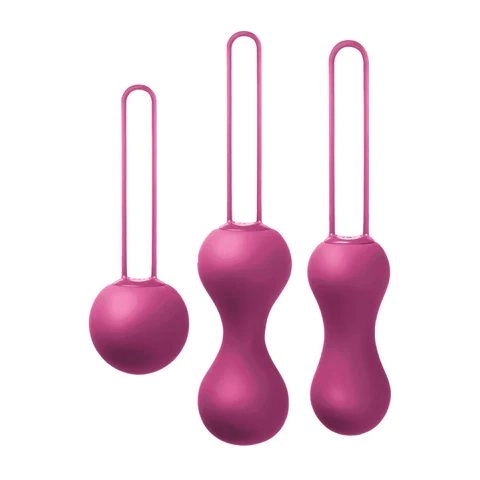
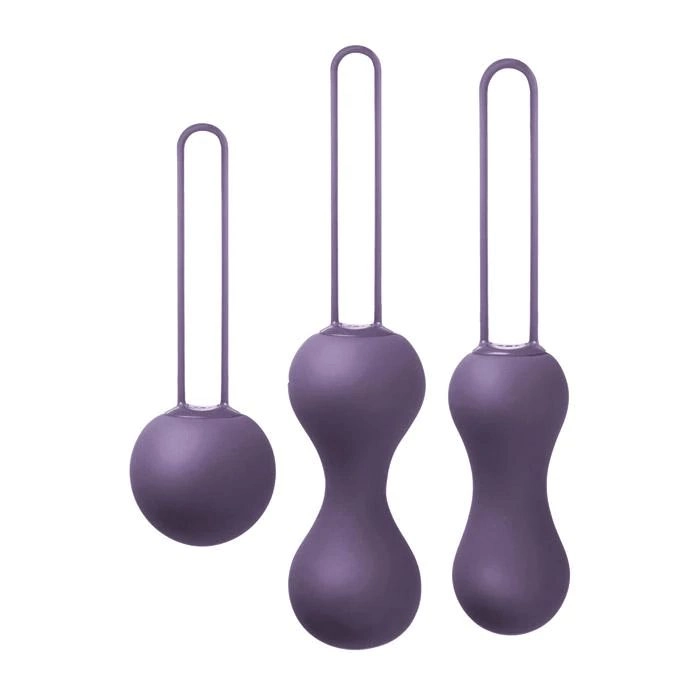
Je Joue’s Ami set makes the progression the product. It ships as three separate weights — 47 g, 78 g and 106 g — so you start at the one you can comfortably hold for fifteen to thirty minutes and move up only once the current weight has stopped being effort. All three colourways — Fuchsia, Purple and Black — are the identical three-stage set. Colour is the only choice you’re actually making between them.
Passive weight versus electrical stimulation
Every kegel-ball product does one of two things: it sits there and makes your muscles work to hold it, or it actively stimulates the muscle for you.
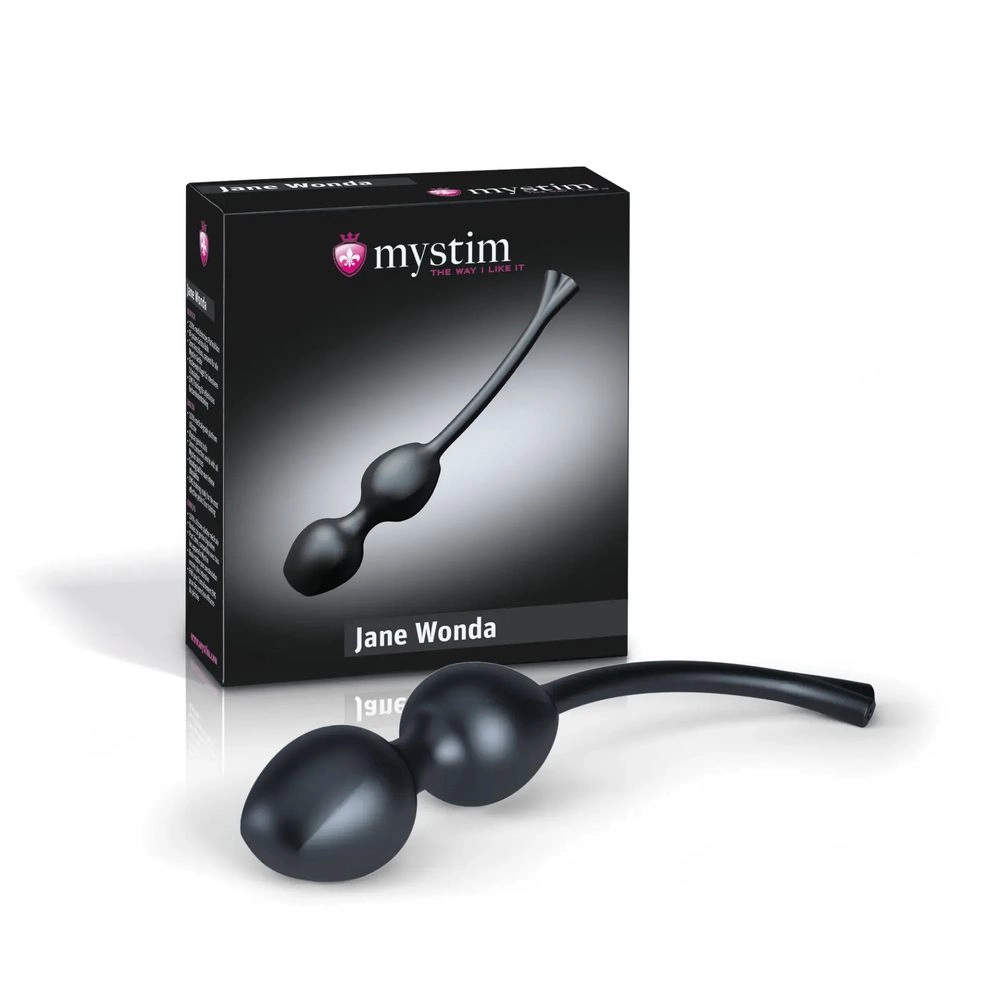
The Ami set is entirely passive — no batteries, no app, nothing to charge. Mystim’s Jane Wonda Geisha Balls Duo works differently: it pairs mechanical weight training with electrical stimulation, run through a separate Mystim Cluster Buster controller that isn’t included and has to be bought alongside it. That’s worth knowing before it goes in your cart — this isn’t a self-contained toy the way the Ami set is. It’s the first piece of a small e-stim system.
Material and shape
All four products here are body-safe silicone, which matters more with an insertable product than almost anywhere else — it doesn’t harbour bacteria the way porous materials can, and it can be washed rather than just rinsed. The Ami set is a single ball at the lightest weight and a double-ball shape at the two heavier stages; Jane Wonda is a double-ball shape throughout.
Retrieval
Every set here uses a retrieval loop or cord rather than relying on a finger — worth checking on anything you’re considering elsewhere. A set with no retrieval method at all is a real design flaw, not a minor one.
Noise, weight, and bedroom confidence
None of this is loud, and none of it needs to be. The passive Ami set makes no sound at all — it’s silicone and gravity, nothing electronic to hum. Jane Wonda is nearly silent mid-session too, which matters if you’re planning to wear it around the house rather than during a dedicated block of time — though anything running through a separate controller is a little less discreet to carry than something entirely self-contained.
How to use it so it feels incredible, not awkward
Start with the lightest weight you have, and start short — fifteen to thirty minutes, not all day. Use a water-based lubricant to insert it; anything silicone-based will slowly break down silicone toys over the same sessions that are supposed to be building you up, so water-based is the only sensible pairing here regardless of what you’d reach for otherwise.
Move to the next weight only once the current one genuinely stops registering as effort — not on a schedule, and not because a box said four weeks. If you’re using the e-stim option, start at the lowest intensity the controller offers and adjust up. There’s no reason to find your ceiling on day one.
The trade-offs: when it’s perfect, and when it is not
This is a good fit if you want a passive, low-effort way to build pelvic floor strength over weeks, and you’d rather it happen while you’re doing something else than carve out gym time for it. The Ami set in particular is close to foolproof — no charging, no app, no controller to lose.
It’s the wrong fit if you’re managing a diagnosed condition rather than general conditioning, or if you’re specifically shopping for a menstrual product — see above on both counts. And Jane Wonda specifically is the wrong first purchase if you don’t already have, or aren’t ready to buy, a compatible Mystim controller. The balls alone don’t do the electrical half of what makes it different.
Care and longevity
Wash before first use and after every session — warm water and a mild soap, or a dedicated toy cleaner, is enough. Silicone is non-porous, so it genuinely gets clean rather than just rinsed. Let it air dry fully before storing, and keep it apart from other silicone items in storage the same way you’d keep it apart from silicone lube — silicone against silicone degrades over time either way.
Finding your fit
Starting out, or returning after a break — Je Joue Ami Kegel Balls, Fuchsia ($79.99). The full three-stage progression in one box; begin at 47 g and don’t rush the next weight.
Prefer a different colourway, same set — Purple or Black ($79.99 each), identical in build to the fuchsia set.
For every session, whichever set you choose — a water-based lubricant for insertion, and a toy cleaner or mild soap for afterward.
Pelvic floor strength isn’t a performance metric, and it was never supposed to be something you either have or don’t. It’s closer to any other kind of consistency — small, unglamorous, and compounding whether or not anyone’s watching. Whichever set you start with, the only real failure mode is starting too heavy and quitting in week one.
Most couples believe they are building intimacy. They spend time together, they share a bed, they know each other’s coffee orders and childhood stories. And yet something essential is missing, a quality of connection they cannot quite name. That gap has a precise explanation.
Emotional intimacy is not a soft, supplementary layer added on top of a “real” relationship. It is the structural foundation that determines whether everything else holds. Without it, physical closeness becomes routine, romantic gestures feel performative, and even years of shared history can coexist with profound loneliness.
This piece takes the concept seriously. You will find a precise definition of emotional intimacy, grounded in research, and a clear account of how it actually develops through two specific mechanisms. You will also see how it differs from physical and romantic intimacy, why most couples bypass it entirely, and why that sequence is exactly backwards.
By the end, you will have a mental model that reframes the way you think about connection, along with a concrete reason to treat emotional intimacy not as a reward for a good relationship, but as its precondition.
Intimacy Meaning: What the Word Actually Tells Us
The word intimacy contains its own definition, if you know where to look. It derives from the Latin intimus, meaning “inmost” or “innermost,” a word Romans used for what lies deepest within a person: feelings, the private self, the life not visible from the outside. The abstract noun intimacy followed from that root in the 1640s, carrying the same orientation inward.
That origin matters because it immediately corrects the way most people use the word today. In common usage, intimacy has become a near-synonym for closeness, affection, physical contact, or simply spending time with someone. These are exterior things, behaviours and conditions that can exist entirely independent of any exchange of inner life. The etymology says otherwise: intimacy, at its root, has nothing to do with what you do with another person. It concerns what you share of yourself and what they share in return.
This is not a semantic footnote. It shifts the entire frame. If intimacy is about the innermost, then physical proximity without genuine self-disclosure is not intimacy at all. Two people can be affectionate, cohabiting, even physically close and still be essentially unknown to each other. They are adjacent, not intimate.
Establishing this at the outset clears away the comfortable assumptions most people carry into conversations about connection. The more precise psychological definition of emotional intimacy builds directly on this foundation, but the etymology does the preparatory work: it locates intimacy where it has always lived, in interior experience rather than outward behaviour.
Emotional Intimacy, Defined with Precision
With the etymology established, the psychological definition gives that root meaning its working architecture.
Psychologists Harry Reis and Phillip Shaver offered the definition most relationship researchers still build on. In their interpersonal process model, intimacy is not a feeling you simply have but a sequence you move through:
Intimacy is an interpersonal process in which one person expresses important self-relevant feelings and information to another, and as a result of the other’s response comes to feel known, validated, and cared for.
Notice where the intimacy actually happens. Not in the disclosure itself, but in what comes back. Three words in that definition carry the most weight.
Known specifies what is being shared: inner life, not surface behaviour. Preferences, habits, and history are not the same as fears, doubts, and desires. The first describes a person; the second reveals them. And being known runs in both directions. One person’s openness in the absence of the other’s creates exposure, not connection.
Validated means the response communicates that what was shared makes sense and is acceptable. This is where intimacy either forms or collapses. Disclosure met with judgment, dismissal, or correction does not produce closeness. It produces wariness.
Cared for means the response carries genuine concern for the person, not just attention to the information. Understanding without warmth is comprehension. Understanding with warmth is what makes someone feel safe enough to share again.
This framework also clarifies what emotional intimacy requires in practice: authentic self-disclosure of both positive and negative emotional content. Sharing joy is the easier half. Sharing hardship, uncertainty, or shame is equally foundational, and often more determining. Intimacy built only on the pleasant is incomplete and fragile under pressure.
Finally, this definition draws a clear line between emotional intimacy and longevity. Two people can share decades, a home, and a routine while remaining largely unknown to each other. Time is a condition. Knowing is a practice.
The Two Mechanisms That Actually Build It
Knowing the definition is not the same as knowing how intimacy forms. The definition tells you what it is; the mechanisms tell you how it gets built.
Emotional intimacy does not accumulate through shared activities, years together, or frequency of contact. What actually produces emotional intimacy is a two-part process, and both parts are required.
The first mechanism is self-disclosure: the deliberate sharing of inner experience, including feelings, fears, desires, and vulnerabilities that are not ordinarily visible. Not small talk. Not logistics. The interior content most people instinctively protect. In a 2025 study of 905 university students in romantic relationships, self-disclosure correlated positively with relationship satisfaction, but the correlation was modest on its own (r = 0.32). Disclosure is necessary, but not sufficient.
The second mechanism is responsiveness: the other person receiving that disclosure with genuine understanding, validation, and care, rather than deflection, judgment, or distraction. In the same study, perceived partner responsiveness, meaning how understood, valued, and cared for people felt by their partner, showed a substantially stronger correlation with relationship satisfaction (r = 0.51). Critically, it partially mediated the link between disclosure and satisfaction: much of the benefit of opening up runs through how that openness is received.
Responsiveness is the less-discussed half of the equation, and often the more demanding one. It requires holding another person’s interior experience without immediately reframing it around your own. That is a different skill than talking.
One-sided disclosure does not produce intimacy; it produces imbalance. Without reciprocal vulnerability, the person sharing is exposed rather than known.
This two-part structure clarifies a useful distinction. Therapy involves one-directional disclosure by design. Performance involves managed, selective sharing. Sympathy offers a caring response without equivalent vulnerability. Emotional intimacy requires all of it: honest disclosure, genuine reception, and mutual exposure.
What Emotional Intimacy Is Not: Clearing Up the Confusion
Knowing how emotional intimacy forms is clarifying. Knowing what it is commonly confused with is equally important, because the confusion is what causes people to neglect the real thing.
Physical intimacy and emotional intimacy are not the same category. Bodily closeness and contact can coexist with deep mutual knowing, or it can exist in its complete absence. The two do not automatically produce each other. A relationship can be physically close and emotionally distant; the reverse is also true. Emotional intimacy works on its own terms, separate from physical contact, with its own conditions and its own failure modes.
Romantic intimacy is broader than emotional intimacy, not synonymous with it. It encompasses emotional, physical, and relational dimensions together. But it depends on the emotional layer as its foundation. Remove that layer, and the romantic category still has visible parts; it simply lacks the architecture that holds them together.
Platonic intimacy is real. Close friendships and non-romantic bonds can reach the same quality of mutual knowing and acceptance as romantic partnerships. The mechanism is identical: self-disclosure met with genuine responsiveness. The relationship category differs; the underlying process does not.
Intimacy synonyms present a quieter problem. Words like closeness, connection, affection, and warmth describe feelings or outcomes. They do not describe the process that produces them. Substituting these words for the precise term makes it harder to notice when the process is absent, because the feelings can persist, briefly, on inertia.
Shared history, cohabitation, and years of experience are enabling conditions, not the thing itself. You can live alongside someone for decades without ever truly knowing them. Proximity permits intimacy; it does not produce it.
That distinction carries a real cost. Loneliness within an otherwise intact relationship is one of the clearest signs that proximity has been mistaken for intimacy, and that the emotional layer has been quietly left unbuilt.
Why Emotional Intimacy Has to Come Before Everything Else
So far, this post has drawn a clear line between emotional intimacy and everything adjacent to it. The question that follows is not just definitional. It is sequential: why does emotional intimacy have to come first?
The conventional assumption treats it as a reward. Build something together, sustain physical closeness long enough, and emotional depth will arrive as a natural result. The opposite is closer to the truth. Emotional intimacy is not what a good relationship produces; it is what a good relationship requires in order to form.
Without a foundation of mutual knowing and acceptance, physical connection remains genuinely pleasurable but does not compound. It satisfies in the short term while leaving something harder to name unmet. That gap tends to widen quietly over time.
A satisfying intimate relationship can ease loneliness, soften stress, and steady a person’s sense of well-being. The operative word is satisfying, and satisfaction at that level requires the emotional layer to be present and active. Physical closeness without it can exist inside the same space as profound loneliness.
Emotional intimacy is also what makes physical connection feel safe enough to be honest, curious, and unhurried. Without it, vulnerability in any dimension of a relationship carries risk rather than invitation. People manage their exposure rather than offering it.
Couples who prioritize emotional connection have a named foundation to return to when conditions become difficult, the shared knowing that gives conflict and change somewhere to land.
The architecture metaphor holds precisely because it is not romantic. You can inhabit a structure without a foundation. For a while, it functions. Under pressure, it does not.
Why Most Couples Skip the Foundation
Knowing the foundation matters is one thing. Understanding why so many people never build it is another.
Fear of rejection sits at the centre of it. Genuine self-disclosure means exposing the parts of yourself you are least confident will be accepted. Most people have spent years learning to manage that exposure carefully, and that conditioning does not dissolve because a relationship is serious or long-standing. The risk feels real because, at some level, it is.
Modern life compounds the problem through sheer pace. Emotional intimacy requires slow, unhurried time. It does not develop during grocery runs, calendar coordination, or the fifteen minutes between one obligation and the next. The rhythm of contemporary life crowds out the conditions intimacy needs, not through malice but through relentless scheduling.
Surface-level communication becomes a trap of its own making. The longer two people speak primarily in logistics, the more unfamiliar and risky it feels to shift toward interior experience. The pattern is self-reinforcing: avoidance makes depth feel stranger, which makes avoidance feel safer. This is one of the quieter ways relationships drift without either person deciding to let them.
Some people fear being known entirely. There is a concern, not always conscious, that being fully understood by another person means being reshaped by them, or losing the edges that define who you are. Strategic self-protection can persist even within relationships that are otherwise close.
Unrealistic expectations also obstruct. Many people wait for a significant, unmistakable moment of connection rather than recognising that emotional intimacy accumulates through small, repeated acts of disclosure and attentive response.
The cumulative result is predictable: relationships that are functional, affectionate, even physically close, while the emotional foundation remains largely unbuilt.
Emotional Intimacy as an Intentional Act
Naming the barriers is useful. Deciding to work against them is the actual move.
Emotional intimacy does not accumulate by accident. Most people sense this but rarely act on it: disclosure and responsiveness are learnable behaviours, and recognizing them as the operative mechanisms is what makes deliberate practice possible. You stop waiting for closeness to arrive and start building the conditions it requires.
Those conditions are specific. Unhurried time is not incidental; it is structural. Choosing, repeatedly, to move past the logistical register and inward instead is the core act. Neither partner can carry this alone. Mutual willingness is not a given; it is a decision, made more than once.
When physical connection grows from a foundation of emotional knowing, the nature of it changes. The emotional layer does not enhance physical experience as a bonus. It changes the conditions under which it occurs.
Rituals and objects that slow the pace and invite presence can serve as practical scaffolding for this work. Not because they create intimacy, but because they create the circumstances in which intimacy becomes more likely. The distinction matters. Nothing external produces mutual knowing; it can only make room for it.
Finally: emotional intimacy is not a state you arrive at and maintain passively. Deep connection is sustained by continuing to disclose over the years, not by levelling off once closeness feels established. The practice does not end. Relationships that understand this treat attention as ongoing, not established.
The Foundation Is the Work
Treating emotional connection as a practice, rather than a background condition, is where the work becomes concrete.
The core argument of this piece reduces to one claim: emotional intimacy is not preliminary to a real relationship. It is the relationship’s structural condition. Physical closeness, sustained desire, and the capacity to move through conflict all rest on whether two people genuinely know and accept each other at the level of inner life.
The question worth carrying forward is not which technique to try next. It is simpler and more demanding than that: Am I actually known by this person? Do I actually know them?
If the honest answer is incomplete, that is not a verdict. It is a direction. Emotional intimacy is available to any relationship willing to slow down, pay genuine attention, and tolerate the small exposures that mutual knowing requires. The foundation is not mysterious. It is not reserved for certain kinds of people or certain stages of life. It is built, incrementally, through repeated acts of disclosure and care. That is both the work and the possibility.
Conclusion
The model is simple, even if the practice is not.
So here is your call to action: choose one conversation this week where you move past the practical surface. Share something real. Receive something real in return.
The gap between the relationship you have and the one you want is often smaller than it appears. It closes one honest exchange at a time.
The fumbling part isn’t the sex. It’s the five minutes before, when nobody’s sure if the ring is the right size, whether the base will actually stay put, or whether you’re supposed to figure this out together or one person is quietly expected to have already read the instructions. Get the compatibility question settled ahead of time and that five minutes disappears — what’s left is just the part you were looking forward to.
This guide covers exactly that: how a dildo and a harness actually pair, using the real mechanism our current harnesses and harness-compatible dildos use — not the generic advice you’ll find repeated everywhere else.
What harness compatibility actually means
A lot of what’s written about harness compatibility describes a rigid, interchangeable O-ring system — a hard ring in a fixed size, with a dildo base that has to be wider than that specific ring. That’s one real system, but it isn’t the one used by the harnesses currently stocked here, and it’s worth being precise about the difference before you shop.
Every harness in this store’s current lineup — the Harness Lingerie Idole and Harness Simili Generous among them — uses a discreet, stretchable silicone ring rather than a fixed hard ring. Their own listings describe this ring as compatible with “all SOM dildos” (Strap-on-me, the brand behind most of the harness-compatible dildos here), which means the fit question is less about measuring a base against a fixed ring diameter and more about choosing a dildo built for that stretch-ring system in the first place.
The base still matters
A stretch ring is more forgiving than a rigid one, but it isn’t infinitely forgiving. The Glow-LED Dildo‘s own listing states it directly: “strong suction base, harness compatible” — a base built specifically to seat and stay in a ring like this one. That’s the detail to look for on any dildo you’re considering for harness use: a base explicitly described as suction-style or harness-compatible, not just any dildo with a wide-ish bottom.
Firmness and material
The shaft needs to hold its shape under the sideways pressure of penetrative use, which is different from the pressure a hand-held toy experiences. The Glow-LED Dildo is liquid silicone with a semi-realistic shape; the Sliding Skin Realistic Dildo uses a dual-density construction — a firmer core under a softer outer layer — which is generally the more forgiving choice for harness use because it resists buckling while still feeling soft to a partner.
Insertable length, and what the harness takes off the top
The Glow-LED Dildo publishes 164 mm insertable, with a glans diameter of 35 mm and a shaft diameter of 33 mm — genuinely specific numbers, which is rare in this category. The Sliding Skin Realistic Dildo, in its M size, publishes 13.4 cm insertable at an 18 cm total length and 3.8 cm diameter; the L and XL sizes go larger but the store’s own listings for those sizes don’t repeat the same measurement breakdown, so if precise sizing matters to you, the M size is the one with numbers to check against rather than a guess. In a harness, actual effective depth runs slightly shorter than the toy’s stated insertable length, since the base sits against the wearer’s body and the harness fabric itself takes up a small amount of that distance.
Harness fit: sized or one-size-stretch
The harnesses here split into two fit approaches. The Harness Lingerie Idole is sized XS through XL with a defined waist cut, which tends to sit more securely for a specific body. The Harness Simili Generous is one-size-fits-XS-to-XXL with adjustable straps at the waist and legs — more forgiving if you’re buying for a partner whose size you’re not certain of, or if the harness will be shared between more than one body.
Comfort, confidence, and what to expect the first time
Neither the harness nor a non-vibrating dildo makes noise, so discretion isn’t the concern here that it is with a motorized toy — the concern is fit. A harness that’s genuinely comfortable disappears from your attention within a few minutes; one that’s the wrong size announces itself the whole time, through chafing at the leg straps or a waistband that rides up mid-use. Try the harness on alone first, adjusted and walked around in, before it’s ever part of a session with someone else — getting the fit right is not a task to solve in the moment.
How to use it so the first session feels good, not like a setup project
Choose the dildo before the session, not during it. Confirm it’s described as harness-compatible — the Glow-LED Dildo’s “strong suction base” language is exactly what to look for — and if this is a partner’s first time receiving from harness penetration, size down slightly from what you’d choose for solo use; the different angle and the absence of the wearer’s own physical feedback make a smaller size more forgiving to start.
Fit and adjust the harness on its own, empty, before the dildo goes anywhere near it. Walk around in it. Make sure the leg and waist straps sit snugly without digging in. This takes a few minutes and is genuinely hard to do well in the moment once a session has started — do it ahead of time and you won’t have to think about it again.
Seat the dildo’s base fully against the stretch ring from the front, so the base sits flush and the shaft points outward. If it doesn’t sit snugly — if it can be pushed backward through the ring without real resistance — the base isn’t a good match for that ring and a different dildo is the fix, not more force.
Talk about angle and depth before you begin, not mid-session. The angle of penetration from a harness is different from other penetration, and it’s different for every combination of bodies and harness position — the receiving partner is the one with the information about what’s working, so build in a habit of them directing early adjustments. The conversation before the conversation covers this kind of check-in as its own skill, worth reading if talking through what you want out loud doesn’t come naturally yet.
Use more water-based lubricant than feels necessary, and reapply during the session rather than treating it as an interruption. There’s no natural lubrication involved in harness use the way there is in some other kinds of penetration, and the friction profile is genuinely different — this is the single detail that separates a session that flows from one that feels like work.
The trade-offs: when it’s perfect, and when it is not
A stretch-ring harness and a compatible dildo are right for you if you want hands-free penetration without committing to a single fixed-ring hardware system, and you’re comfortable with a bit of upfront fitting before the first session. It is wrong for you if you already own dildos designed for a rigid O-ring system elsewhere — those bases won’t necessarily seat the same way in a stretch ring, and mixing systems is exactly the kind of assumption this guide is trying to save you from making.
It’s also worth being honest that harness use has a real learning curve the first two or three times — angle, depth, and pacing all take some finding. That’s not a flaw in the products; it’s true of the category generally, and it gets meaningfully easier once the fit questions are off the table.
Care and longevity
Clean the silicone dildo with a dedicated toy cleaner and warm water after every use, and let it dry fully before storing — the Sliding Skin and Glow-LED dildos are both listed as fully waterproof, so a thorough rinse is straightforward. Harness fabric — microfiber, leatherette, or lace depending on the style — should be spot-cleaned or hand-washed per the specific product’s care notes rather than machine washed by default, since the stretch ring hardware and any metal snaps can be damaged by a washing machine cycle.
Finding your fit
Harness Lingerie Idole · $94.99 — sized XS–XL, high-waist cut, stretch silicone ring compatible with all SOM dildos. The most secure fit for a known body.
Harness Simili Generous · $119.99 — one-size XS–XXL with adjustable straps and a snap-button ring; the more forgiving choice if sizing is uncertain.
Glow-LED Dildo · $119.99 — 164 mm insertable, explicitly listed as harness-compatible with a strong suction base. The specced, low-risk pairing to start with.
Sliding Skin Realistic Dildo (M) · $104.99 — dual-density silicone, 13.4 cm insertable, a softer-feeling realistic alternative in the SOM-compatible line.
Browse the full strap-on dildos and harnesses collection to compare the rest of the lineup, or the harnesses on their own if you’re building a collection of interchangeable dildos around one harness.
The compatibility question isn’t as complicated as it looks — it’s a suction-style base seated in a stretch ring, not a measuring exercise with a rigid one.
Get that part settled before the first session, and what’s left is the part you were actually looking forward to.
Finding intimate wellness products that actually speak to your experience as a queer person can feel like searching for something that was never meant for you in the first place. Most guides assume a very specific kind of body, a very specific kind of relationship, and a very specific kind of desire. If that has never been your reality, you already know the frustration.
This guide is different. It was written with LGBTQ+ individuals and couples at the centre, not tucked into a footnote at the end.
Whether you are shopping for yourself, looking for queer gifts with genuine intention, or simply trying to figure out where to even begin, this post will walk you through what actually matters. You will learn what anatomy-inclusive design looks like in practice, how to find harnesses that fit real bodies, which materials are genuinely body-safe, and how to shop with confidence and privacy in Canada.
You will also find honest guidance for first-time buyers and ideas for couples who want to deepen connection intentionally. No clinical jargon, no assumptions, and no heteronormative defaults. Just clear, practical information written for you.
The Gap No One Is Filling
If you’ve ever searched for queer intimate wellness guidance and landed somewhere that felt like it was written for someone else entirely, that’s not a gap in your knowledge. That’s a gap in the market.
Most intimate wellness resources are built around a default: two people, cisgender, heterosexual, with bodies and relationships that fit a very specific mould. LGBTQ+ buyers show up to those resources as an edge case, addressed in a side note or a single tokenizing paragraph, rather than as the primary audience the content was actually designed to serve.
The two dominant alternatives don’t fill the gap so much as deepen it. Clinical sex-ed content reaches for safety through medicalized language that feels more like a waiting room pamphlet than a conversation. It informs without welcoming. Adult-entertainment retail swings the other way, framing intimacy as performance, spectacle, and novelty, which misrepresents what most queer wellness buyers are genuinely looking for. Neither space was built around self-knowledge, connection, or the kind of unhurried self-care that actually serves people well.
The need for something different isn’t abstract right now. Statistics Canada data released in August 2026 documents a measurable decline in acceptance of gender diversity across the country, with support dropping roughly 8 percentage points among both women and men since 2018. Some provincial declines were steeper. The social climate that shapes how safe it feels to walk into a shop, ask a question, or simply exist visibly as a queer or gender-diverse person has shifted. For many buyers, a discreet, affirming online space is not a preference. It is a practical necessity.
That climate intersects with something observed consistently across LGBTQ+ health contexts: widespread institutional distrust within queer communities. When trust in health systems and public institutions is genuinely fragile, a retail environment that feels clinical or institutional does not feel neutral. It actively reinforces the distance.
What’s missing is a third space. Not clinical, not entertainment-oriented; a place where intimate wellness is treated as intentional self-care, and where queer buyers are the intended audience from the first sentence forward. That’s the position XtasyXperience is built around: curated, considered, and designed for people who deserve guidance written directly to them rather than quietly amended to include them.
The rest of this guide covers the practical decisions that follow from that premise.
What Anatomy-Inclusive Design Actually Means
Most intimate products are designed around a default body. That default is cisgender, heterosexual, and narrowly proportioned. Everything else, including trans bodies, non-binary embodiment, and the full range of human anatomy, gets retrofitted after the fact, if it’s considered at all.
Anatomy-inclusive design starts by asking a different question. Rather than “does this body fit the product,” it asks “what does this body need, and how can this product meet it?” That shift changes everything downstream: dimensions, ergonomics, stimulation placement, and the language used to describe all of the above.
What to Look For in a Product Listing
When evaluating a product, four design signals are worth checking specifically:
Adjustable sizing and fit. Products with adjustable components, whether that’s a flexible form, variable depth, or modular construction, accommodate a wider range of bodies without asking the buyer to adapt.
Symmetrical or neutral form factors. A shape designed around one specific anatomy tends to fail every other. Products with neutral geometry are more likely to work across varied bodies, not because they’re compromise designs, but because they weren’t built around exclusion.
Body-neutral description language. Product listings that describe stimulation placement in terms of body regions rather than gendered anatomy are a meaningful signal. It’s a small editorial choice that reflects a larger design philosophy.
Honest sizing information. Insertion depth, width, and reach should be listed in actual measurements, not vague descriptors like “standard” or “natural.”
Reading the Gaps
Trans and non-binary buyers face a particular burden: evaluating whether a product’s stated dimensions actually correspond to their anatomy. If a listing doesn’t provide enough information to make that assessment, that’s not a neutral omission. It’s a signal that the product was designed without queer embodiment in mind.
The absence of anatomy-inclusive language is itself useful data. A listing that relies entirely on gendered framing, or that describes a product as designed “for women” or “for men” without any body-specific detail, tells you that the designer’s starting assumptions excluded a significant portion of potential buyers.
The Editorial Framing Distinction
The clearest difference between curated wellness retail and conventional adult retail is how products are described. Wellness-oriented listings explain what a product does and how it interacts with the body. Conventional listings describe who a product is supposedly for.
One approach gives you the information needed to make a genuine decision. The other assumes you already fit the intended category. If you’re browsing and the language keeps assuming things about you, that’s worth taking seriously.
Harness Fit and Strap-On Considerations for Every Body
Harness fit takes the question what does this body need and makes it structural. It is one of the most body-specific purchases in the intimate wellness category and one of the least well-explained in standard buying guides.
Here is what actually matters before you buy.
Measurements First
Start with two numbers: hip circumference and waist circumference. Most harnesses specify a fit range in both, and they are not interchangeable. A harness that fits your hips may sit awkwardly at the waist, or vice versa. Measure both before consulting sizing charts, and look for harnesses that list actual centimetre or inch ranges rather than vague S/M/L designations. If a retailer does not publish those numbers, that tells you something.
Adjustability matters across the full size range. A harness with multiple adjustment points, rather than a single buckle, tends to distribute fit more evenly and accommodate a wider range of body shapes.
O-Ring: Fixed or Interchangeable
This single feature has more long-term impact than any other. A fixed O-ring locks you into one toy diameter. An interchangeable O-ring, typically sold as a set of two or three sizes, means the harness works with different toys as your preferences evolve. An interchangeable system turns a harness into a durable investment; a fixed ring makes it a one-pairing purchase.
Check the listed diameter range before buying a toy and harness separately. They need to be sized for each other.
Thigh Harnesses
For buyers with mobility considerations, post-surgical anatomy, or specific preferences around how weight and movement are distributed, thigh harnesses offer a genuinely different fit logic. They sit on the thigh rather than the hips, changing both the mechanics and the experience. They are not a workaround; they are a distinct and valid option that conventional buying guides rarely mention.
Material and Maintenance
Leather harnesses are durable, conform to the body over time, and hold their shape well, but require conditioning and cannot be machine-washed. Fabric and neoprene harnesses are more size-flexible, easier to clean, and more accessible in price. The right material depends on how you plan to use and care for it.
Packing vs. Penetrative: Different Products
These two harness types are built and fit differently. A packing harness holds a soft form securely against the body throughout daily wear; comfort, discretion, and stability are the priorities. A penetrative harness is built for security during use, with different stress points and construction requirements. Buying the wrong type is not a sizing problem you can adjust your way out of.
A retailer that publishes honest measurement guides, lists actual size ranges, and describes harness type and O-ring specs clearly is one that built its curation around queer buyers. That transparency is worth paying attention to.
Body-Safe Materials: What the Labels Don’t Always Tell You
Fit and material quality belong together. Once you have assessed how a harness or product works with your body, the next question is what it is made of, and in Canada, that question has fewer guardrails than most buyers expect.
“Body-safe” is an unregulated phrase under the Canada Consumer Product Safety Act, no federal certification standard governs it for intimate products. When a label says body-safe, it means the brand believes it, not that anyone has verified it. Buyers need their own framework.
The materials that hold up
Four materials are consistently cited by sexual health educators as preferable for intimate use:
Medical-grade silicone: Non-porous, easy to clean, free of known irritants, and available in a range of firmness levels. The gold standard for good reason.
Borosilicate glass: Non-porous, temperature-stable, and completely inert. Only borosilicate; standard glass is not equivalent.
Stainless steel: Non-porous, heavy, and long-lasting. Often used in smaller products where weight and firmness are appropriate.
ABS plastic: Hard, non-porous, and commonly used in external components and toy housings. Reliable when the full product is ABS rather than a blend.
What these share: they do not absorb bacteria, they can be cleaned thoroughly, and their composition is stable over time.
What porous materials actually mean
Sex health educators commonly advise that jelly rubber, many TPE blends, and vaguely labelled “skin-safe” or “realistic feel” compounds are porous, meaning microscopic channels in the material retain bacteria even after washing. A condom or barrier reduces but does not eliminate the risk. If a product listing does not name a specific material, treat that omission as a signal. Vague language usually reflects a vague product.
Fragrance, colour, and hidden irritants
Scent additives and synthetic colorants in intimate products are an underreported concern. For buyers with skin sensitivities, these additives may be worth avoiding as a precaution, particularly during hormonal transition or post-surgical healing when tissue sensitivity can vary. Unscented products in neutral or single-tone colorways are the lower-risk default, not just an aesthetic preference.
This matters more, not less, for bodies undergoing hormonal transition or post-surgical healing. Heightened tissue sensitivity means material quality becomes more consequential at exactly the moment when product descriptions rarely account for it.
What a trustworthy listing looks like
A retailer serious about material safety names specifics: the grade of silicone, whether glass is borosilicate, whether any component contains phthalates or latex. If a listing only says body-safe without naming what the product is made of, the information you need to evaluate it simply is not there.
Shopping With Confidence: Discretion, Privacy, and What to Expect
Knowing what a product is made of matters. So does knowing whether your purchase will arrive safely, appear neutrally on a bank statement, and reach you without anyone else being the wiser.
Queer Canadians experience what many know firsthand: fear of stigma and deep institutional distrust are primary barriers to engaging with health systems. That wariness doesn’t evaporate at checkout. A retailer that takes queer buyers seriously acknowledges this directly, not in fine print.
What discreet shipping actually means. Reputable Canadian intimate wellness retailers ship in plain, unmarked packaging with no identifying product description on the exterior. Billing appears under a neutral company name, not a store name that announces the purchase. If a retailer’s website doesn’t state this clearly, ask before you order. Vagueness here is not reassuring.
Why privacy is more than convenience. The acceptance decline documented in the opening section makes this more than a convenience. For many LGBTQ+ shoppers, the ability to browse and buy without visibility isn’t a preference; it’s a practical layer of safety. Online shopping, done through a retailer that handles discretion properly, removes exposure that in-person retail cannot.
How to read a retailer’s values before you buy. As noted earlier, a retailer’s editorial content is the clearest signal of whether the brand was built for buyers like you. Read the articles section before you read the product listings. The questions a brand chooses to answer tell you more than any product description.
XtasyXperience is a Canadian intimate wellness retailer built around exactly this kind of intentional curation. Check the shipping and privacy policy pages for packaging and billing details. The editorial section exists specifically to answer the questions most buyers have before they’re ready to ask them, so that by the time you reach checkout, you’re deciding with confidence rather than hoping for the best.
Queer Gifts and Gift-Giving With Intention
Buying for someone you care about in this category takes a different kind of attention than most gift guides prepare you for. The majority of mainstream “wellness gift” round-ups are built around heteronormative assumptions: gendered packaging, bodies described in narrow terms, and product language that quietly tells certain readers they weren’t considered. That makes them unreliable starting points when you’re looking for queer gifts, gifts for queer friends, or anything meant to honour someone’s actual embodiment rather than a demographic assumption about it.
What makes a gift work here isn’t category knowledge. It’s the right criteria.
The safest choices in intimate wellness share four qualities:
Body-positive framing that doesn’t anchor the product to a specific anatomy
Adjustable or body-neutral design that fits the recipient rather than requiring the recipient to fit the product
Premium materials with no hidden irritants, particularly medical-grade silicone or other non-porous options discussed earlier in this guide
Packaging that doesn’t assume gender, relationship structure, or anything else about who is opening it
Concrete starting points for thoughtful, unique gifts in Canada include a high-quality personal massager in medical-grade silicone, such as the Le Wand Die Cast Rechargeable Vibrating Massager at $229.99, versatile, body-neutral, and immediately useful. A curated set that pairs sensory and intimate care pieces, such as the Le Wand All That Glimmers set at $184.99, gives a gift some texture beyond a single item. And a body-safe lubricant formulated for sensitive tissue, such as simply® Timeless Silicone at $69.99, is built for a reality — hormonal transition, post-surgical healing, ordinary sensitivity — that most gift guides never account for. Each of these signals care without making anatomical assumptions about the person receiving it.
One principle covers every label: choose by function, not by who a product is supposedly “for.”
Whether you’re buying queer gifts for her, for him, or for someone who uses neither pronoun, the same logic applies. A product described by what it does and how it interacts with the body is inherently more inclusive than one marketed to a presumed user. That distinction is easy to spot once you’re looking for it, and it immediately separates retailers worth trusting from those that haven’t thought it through.
The retailer you choose is part of the gift. Shopping somewhere that takes your recipient seriously, uses considered language, and curates with intention communicates something on its own. It says you did more than pick something off a generic list.
For gift-buyers who aren’t sure where to start, a curated editorial guide is more useful than an unsorted product catalogue. Look for retailers whose gift guidance is substantive, not decorative; genuine recommendations, not just a gift-wrap option added at checkout as an afterthought.
For Established Couples: Deepening Connection Intentionally
Gift-giving calls for a kind of attentiveness that established couples know well. But here is something worth naming plainly: almost no research exists on how long-term queer couples actively invest in relational intimacy. A 30-year scoping review of LGBTQ+ aging research in Canada found that peer-reviewed literature concentrated almost entirely on risk, HIV, stigma, and healthcare barriers. Relational wellness, intentional intimacy, sexual self-care for couples in their 30s, 40s, and 50s: essentially absent.
That gap is not an accident. It reflects how queer health has historically been framed, through deficits and crises rather than flourishing. Established couples navigating their intimacy privately and intentionally are, in a quiet but real way, writing a different story.
The process matters as much as the product.
For couples who have been together for years, the point of exploring intimate wellness together is rarely novelty for its own sake. It is shared attentiveness: deciding to pay deliberate attention to something that often gets deferred. Choosing a product together, talking through what each person is curious about, what feels comfortable, what anatomical considerations apply and what pace feels right; that conversation is part of the practice, not just a step before it.
Communication before a purchase does meaningful work. It surfaces assumptions, clarifies preferences, and turns a shopping decision into a shared act of care. The product that comes after that conversation will land differently than one chosen alone and presented as a fait accompli.
What to look for in products for established couples.
Versatility and quality outperform specialisation here. A well-made product in a body-safe material that either partner can use comfortably builds shared confidence in the category. Highly specialised items can be the right choice eventually, but for couples entering or re-entering this space together, a body-neutral, high-quality product in a trusted material is a better foundation than something designed for a narrow use case.
The Le Wand Die Cast Plug-In Vibrating Massager is a fitting example: body-safe silicone and aluminium alloy, corded for unlimited use time so there’s no clock running on exploration, and simple enough that either partner can pick it up without a learning curve. At $219.99, it’s a considered middle ground between a first purchase and something more specialized.
The same body-neutral framing described in the design section applies here.
Where curation helps.
XtasyXperience’s editorial model is built for exactly this kind of considered browsing. Fewer products, described honestly, with context that helps two people make a decision together rather than one person navigating a large catalogue alone. If you are going to have a conversation before you purchase, it helps to have something worth reading together first.
First-Time Buyers: An Honest Guide to Where to Start
If couples benefit from choosing products together, solo buyers deserve the same quality of entry point: something low-stakes, clearly described, and backed by a retailer whose content answers your questions before you think to ask them.
Start with one product, not a category. The goal of a first purchase is orientation, not optimization. A single personal massager in medical-grade silicone is one of the most practical starting points available because it is body-neutral, works across a wide range of anatomies, and does not require familiarity with more specialized product types to use well. It is also a material with a strong safety record: non-porous, easy to clean, and free of the irritants found in lower-grade compounds.
The Le Wand Dive is a straightforward example of what that looks like in practice: a single body-safe silicone and ABS wand, priced at $169.99, waterproof enough for the shower, and versatile enough for solo or partnered use. Nothing else to learn first.
Prioritize in this order:
Body-safe materials over novelty. An interesting shape in an unknown material is a worse purchase than a simple design in medical-grade silicone or borosilicate glass.
One product over a set. Sets look like value; they are usually complexity. Start with something singular.
Honest return or exchange guidance over the lowest price. A retailer with clear policies signals confidence in what they sell.
The discomfort you may feel is not about you. Many first-time buyers, especially in communities with well-founded reasons to distrust institutions, carry a layer of shame into this category. That feeling is a residue of how the category has been framed, in entertainment-oriented retail, in clinical silence, in the general cultural habit of treating queer wellness as a footnote. It is not a signal that the purchase is wrong. Affirming, non-performative retail language genuinely changes that experience; the tone of a brand is not decoration.
As noted earlier, a retailer’s editorial content is the clearest signal of whether the brand was built for buyers like you.
The first purchase is the hardest one. Not because the decision is complicated, but because unfamiliarity amplifies uncertainty. The actual goal is modest: build enough comfort with the category that the second purchase feels easy. That is a reachable bar, and it is the only one that matters on the first try.
Where to Go From Here
Once you have the framework, the next step is simply using it.
This entire guide has been built around one premise: LGBTQ+ buyers in Canada deserve intimate wellness resources designed with them in mind from the start, not adapted from heteronormative templates or pulled from spaces that frame intimacy as performance. That gap is real, documented, and worth naming clearly.
The practical tools are here if you need them. Anatomy-inclusive design tells you what to look for in product descriptions. Harness fit guides walk you through measurement and O-ring compatibility before you buy. Body-safe material standards give you a framework for evaluating claims that no Canadian regulation currently enforces. Gift-giving guidance helps you choose with intention rather than assumption. And whether you are an established couple or a first-time buyer, the same principle applies throughout: start with what you actually need, not with what the category defaults to.
XtasyXperience is a Canadian intimate wellness retailer built around exactly this kind of intentional curation. Products are chosen with queer bodies and relationships in mind. Editorial content is written to answer the questions queer buyers genuinely have. Check the shipping and privacy policy pages for packaging and billing details.
If you are not sure where to start, the Articles section is a low-pressure place to orient yourself. No assumptions, no performance framing, no pressure to buy before you are ready.
Your wellbeing is worth being deliberate about. Browse when you are ready, start with the editorial content if you prefer, and take the time this decision deserves.
Conclusion
Queer intimate wellness in Canada has a real gap, and navigating it takes more than good intentions. This guide covered the foundations: what anatomy-inclusive design actually looks like in practice, how to evaluate body-safe materials beyond marketing claims, and how to shop with genuine privacy protections in place. It also addressed the relational side, from gifting with care to deepening connection in established partnerships.
The throughline is consistent. Start with your actual needs, not the category defaults. Ask better questions of product descriptions, harness sizing guides, and retailer policies. Expect more from the spaces you shop in.
Your wellbeing deserves a deliberate approach, and the right starting point is simply starting.
Before you enter
This shop is for adults.
Products here are intended for customers aged 18 and over. Confirm your age to continue. Orders ship in unbranded packaging.